
Why custom home design is the key to building your dream $1m+ home
At this level, custom design can afford you self-expression, quality, and longevity.
Building a home with a budget exceeding $1 million is not simply a construction exercise. Homeowners are no longer looking for a standard layout or a catalogue solution; they are seeking a residence that reflects their lifestyle and how they want to feel in the space.
This is where custom home design becomes essential. Rather than adapting to pre-set assumptions, custom design allows every decision to be shaped around the site, the brief and the long-term objectives of the owner. Drawing on industry practice and approaches associated with Peninsula Design & Drafting, we explore why bespoke design and detailed documentation are central to achieving a successful $1m+ home without unnecessary compromise.
Let’s talk about your project
The difference between cost and value at the $1m+ level
A million-dollar build sits at a point where cost and value are no longer interchangeable. While budget discipline remains important, value is measured in far broader terms.
Standard designs may suit entry-level or mid-range builds, but they rarely account for the nuances that define higher-value homes. Custom home design shifts the focus from short-term savings to long-term performance, allowing the budget to be directed where it matters most.
At the $1m+ level, design ambition must still be matched with buildability. Homes that look impressive on paper but are difficult to construct often result in compromises during the build.
Custom home design that considers construction logic from the outset is more likely to be delivered as intended. This alignment benefits all parties. Builders can price accurately, trades can sequence work efficiently, and owners experience fewer surprises during construction.
T E S T I M O N I A L S
Trustindex verifies that the original source of the review is Google. I used Sean's services for a development in Frankston. His initial advice on property selection proved invaluable. His knowledge, attention to detail and experience is highly recommended.Trustindex verifies that the original source of the review is Google. We had the pleasure of working with Sean at Peninsula Design & Drafting to bring our Hamptons-style dream home to life in Mount Eliza — and we couldn’t be happier with the result. Sean’s ability to translate our ideas into a cohesive, elegant design was outstanding. He listened carefully, understood exactly what we were after, and delivered plans with exceptional attention to detail. Throughout the process, Sean was professional, responsive, and genuinely invested in creating a home that felt uniquely ours. His design not only captured the aesthetic we envisioned but also incorporated practical, thoughtful touches that elevated the entire project. Highly recommend Sean to anyone looking for a designer who combines creativity, precision, and a deep understanding of client needs.Trustindex verifies that the original source of the review is Google. Worked with Sean on a new build project — he’s smart, humble, and has a great eye for building design. Easy to work with, detail-oriented, and always professional. Highly recommended!Trustindex verifies that the original source of the review is Google. Worked with Peninsula Design & Drafting for a single-block development in Bayside Melbourne. Sean's skill, professionalism, experience and great work ethic ensured we had a successful project. Great comms through this lengthy process, and ultimately very good value for money. Highly recommended.
Site-driven design: How location and space matter for your home
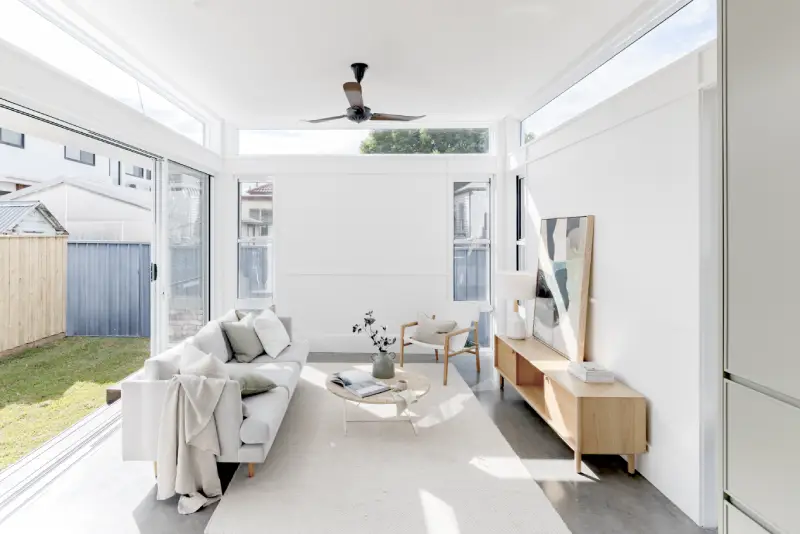
One of the most compelling reasons to pursue custom home design is the site itself. At the $1m+ level, sites are often chosen for their views, orientation, privacy or proximity to amenities.
Custom design begins with a detailed understanding of the site. Slope, solar access, prevailing winds, and neighbouring properties all influence how a home should be arranged. Orientation affects not only comfort and energy efficiency but also how spaces are experienced throughout the day.
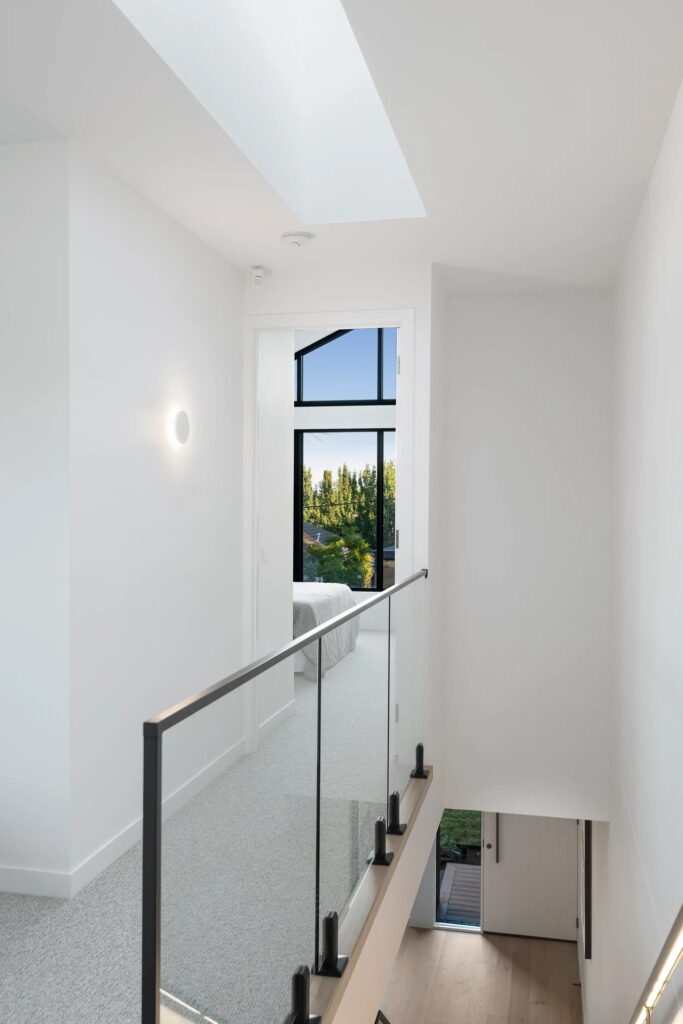
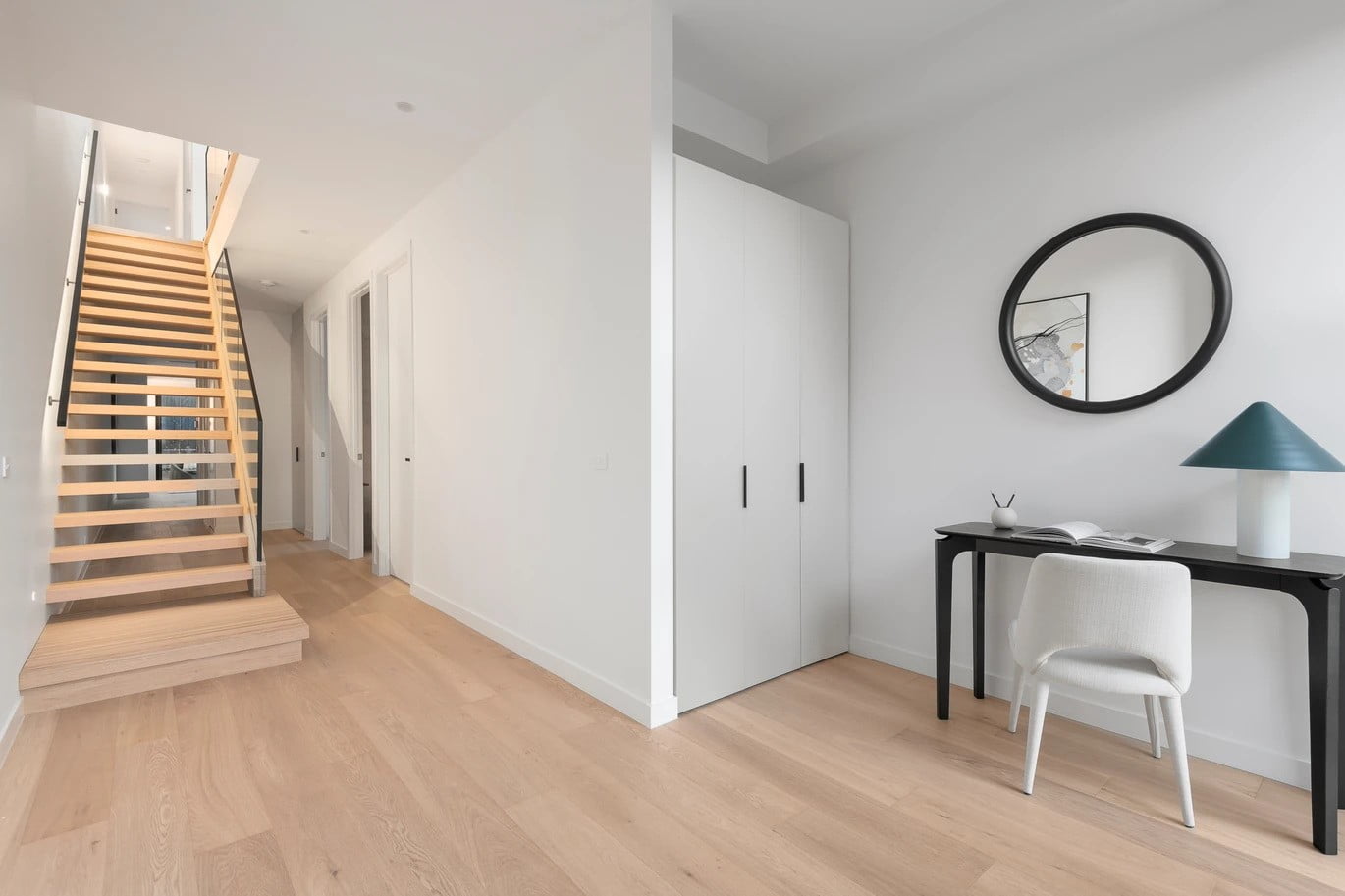
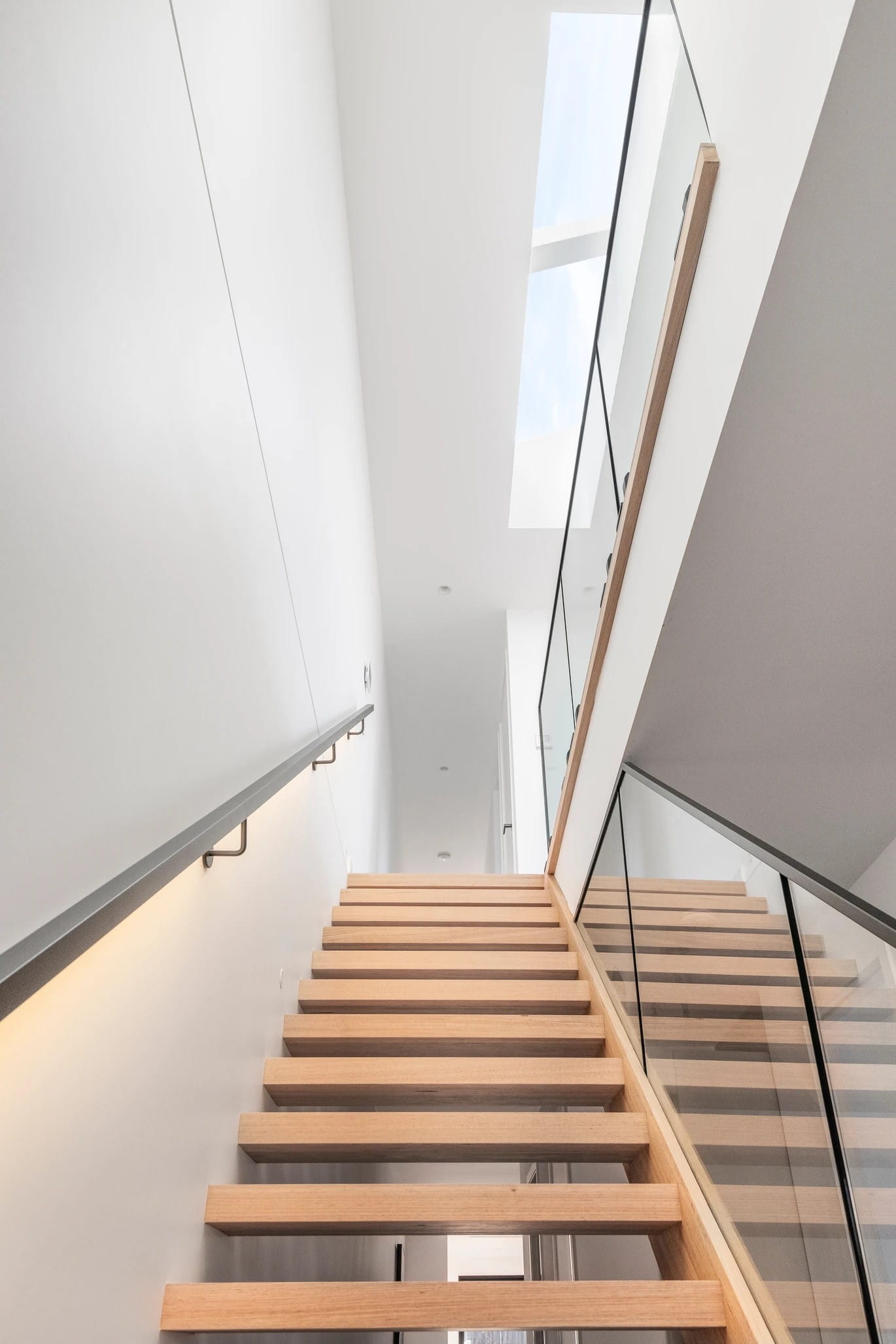
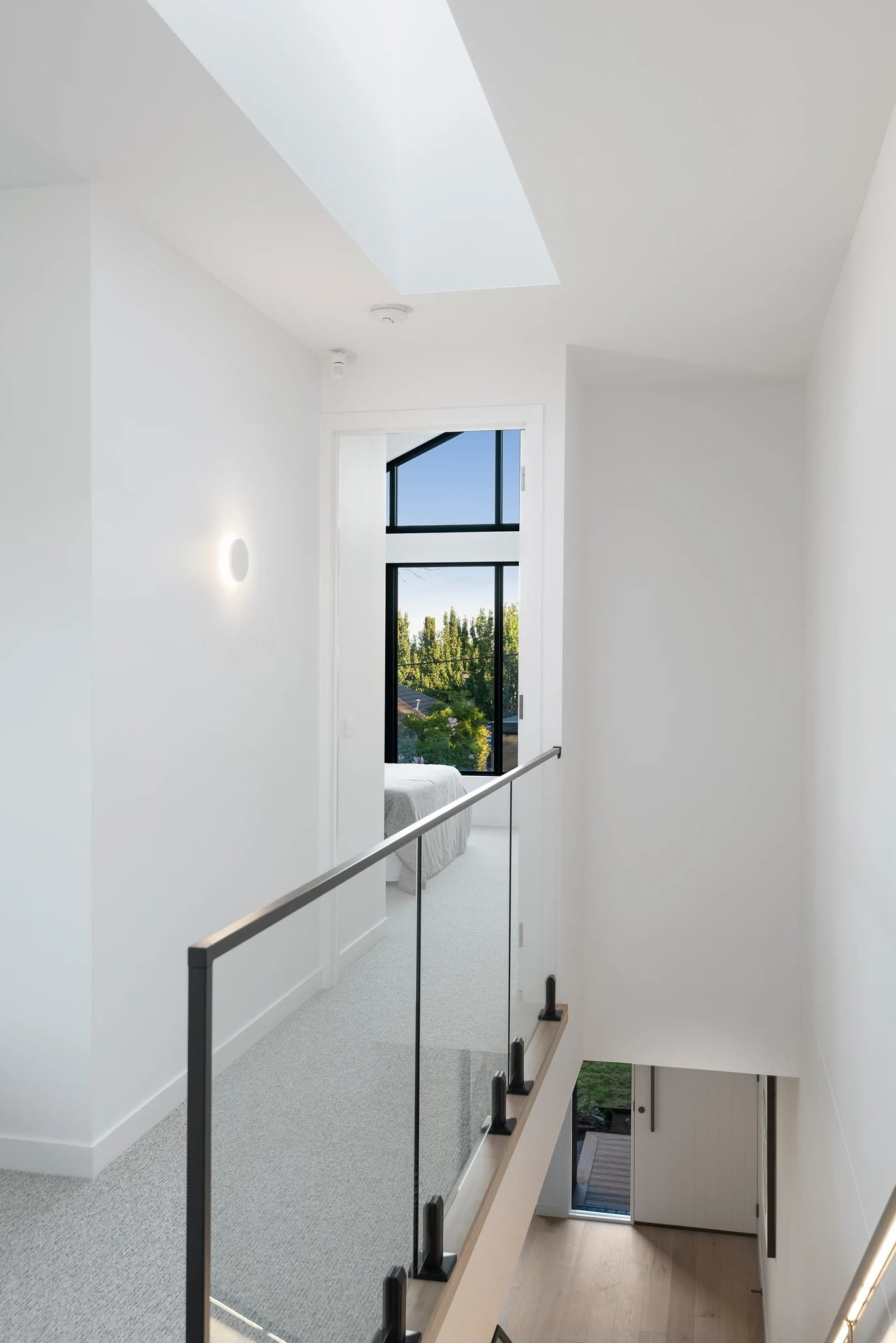
When it comes to the spaces within your $1m+ home, the quality outweighs the sheer size. Ceiling heights, natural light, proportions, and views contribute more to perceived value than additional square metres.
Custom design enables careful manipulation of these elements. For example, double-height spaces may be introduced selectively, or window placement can be refined to frame views rather than simply meet minimum requirements.
Accurate documentation ensures these spatial intentions are realised during construction: through careful drafting and documentation, these site-specific responses are embedded into the design.
How your values shape your home: Lifestyle, future-proofing, and personal expression
Higher-value homes are often defined by lifestyle requirements rather than minimum standards. Owners may prioritise entertaining spaces, separation between private and communal areas, home offices, or integrated outdoor living zones.
Custom home design allows these priorities to shape the layout from the outset, rather than forcing lifestyle needs into an existing framework. The result is a home that an owner can really see themselves in, down to the layout, materials, and spatial qualities.
Planning controls and approval pathways
Many high-value homes are located in areas subject to stricter planning controls. Coastal zones, bushfire-prone land, or heritage-adjacent sites often require nuanced responses. Custom design allows these constraints to be addressed creatively rather than defensively. Setbacks, height limits, and envelope controls can inform the architectural form rather than restrict it. To mitigate, drafting specialists can help to demonstrate compliance clearly.
But this isn’t the only risk that will be on a home-maker’s radar, as financial risk is an additional consideration. Incomplete or unclear documentation increases the likelihood of disputes, delays, and cost overruns. For owners, introducing clarity here provides reassurance that the investment is being managed responsibly.
Once the approvals are obtained, many homeowners might relax at the prospect of the design phase coming to a close, but in reality, the construction phase presents new challenges that benefit from ongoing documentation support.
Clarifications and minor adjustments are bound to come up as the build progresses, so ensure that changes are managed consistently and documented accurately. This protects against any risks to the design integrity that may present themselves.
Material choices and long-term performance
A home that’s a reflection of its owner also needs to last. Luckily, custom design allows future needs to be considered early, whether that involves ageing in place, flexible work arrangements, or potential extensions. And with the right documentation, future modifications become more straightforward as the original design intent is well-recorded.
Future-proofing your home also raises the question of how the finished product will age. Material selection is key here.
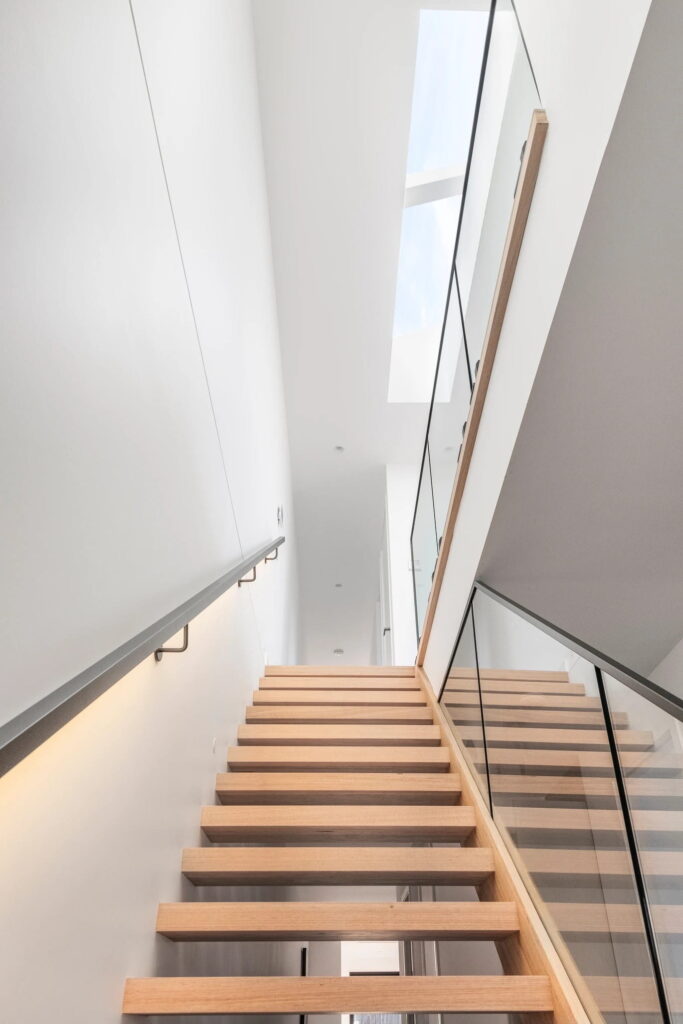
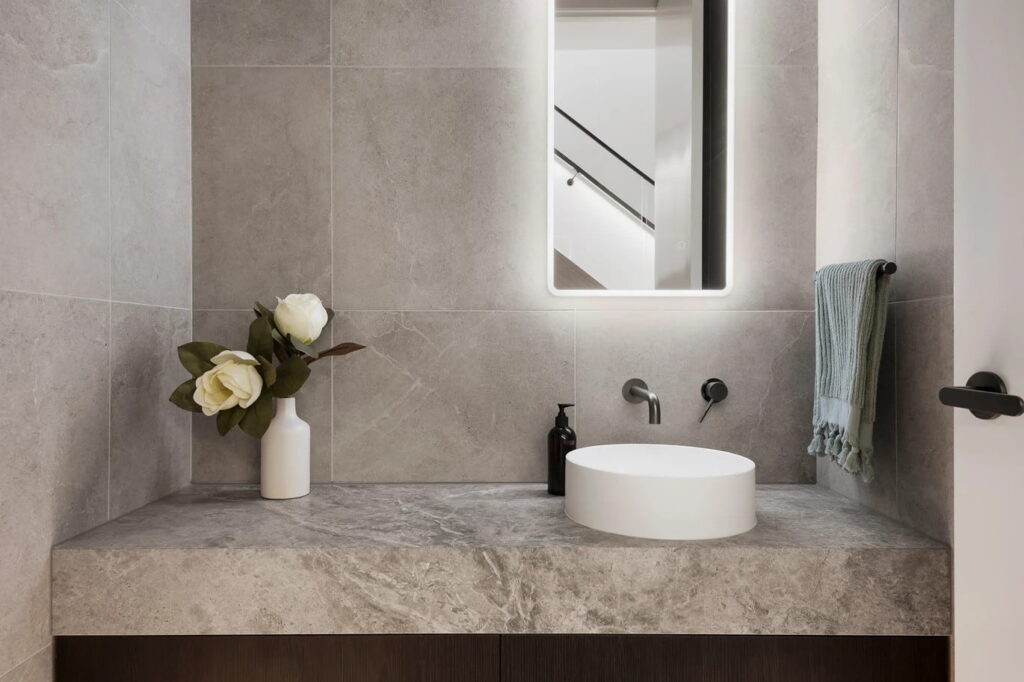
Custom home design integrates material decisions into the broader architectural strategy. Materials are selected not only for appearance but also for durability, maintenance requirements, and environmental performance.
Resources such as interior design and material selections provide insight into how finishes and materials can be resolved alongside architectural documentation.
Collaboration with builders and consultants
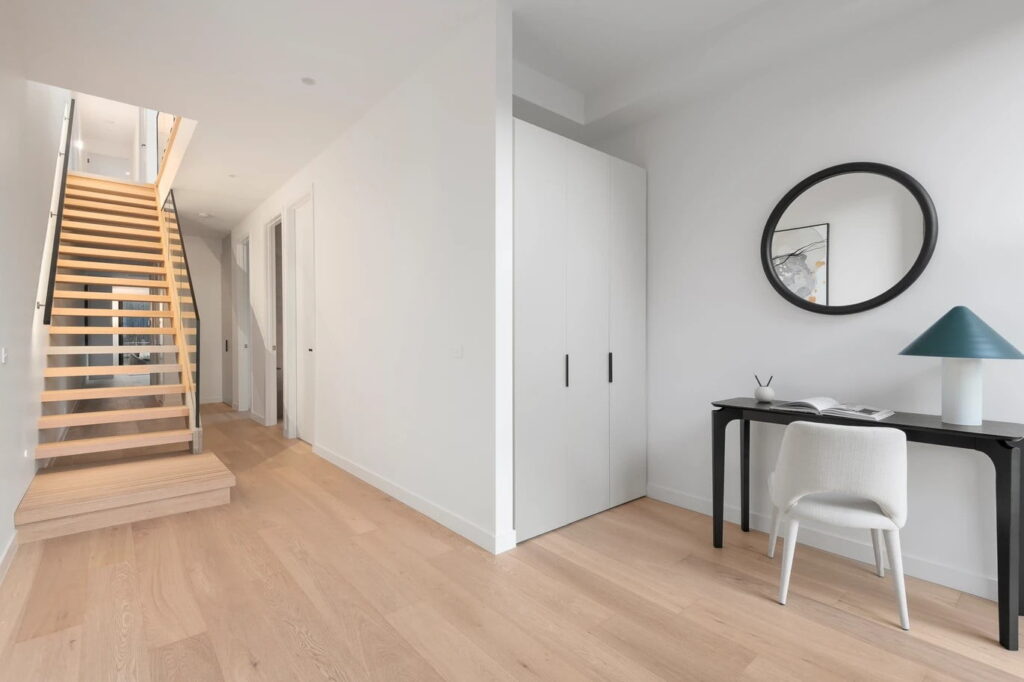
Custom homes benefit from early collaboration between designers, drafting specialists, builders, and consultants. When these relationships are established early, design decisions can be tested against practical considerations.
Drafting acts as the common language across disciplines. Clear documentation ensures that structural, mechanical, and architectural elements work together rather than in isolation.
This collaborative approach is often central to the way Peninsula Design & Drafting projects are delivered, supporting smoother transitions from design to construction.
Final commentary
Custom home design is not a luxury add-on in a $1m+ build. It is the foundation that allows budget, site and lifestyle priorities to align without compromise. By responding directly to context, integrating materials thoughtfully and supporting construction with clear documentation, bespoke design delivers value that extends well beyond completion.
For homeowners seeking more than a standard solution, custom home design remains the most reliable path to achieving a truly successful dream home.