
Designing townhouses that win awards (and buyers)
How to build townhouses that stand the test of time, attract buyers, and win awards.
When executed well, townhouse projects gain industry recognition and strong buyer demand. When handled poorly, they struggle to secure approvals or resonate with purchasers. The difference rarely comes down to budget alone. More often, it is the result of clear thinking, disciplined documentation, and an understanding of how design decisions translate into lived experience.
No one thing can attract awards and buyers for townhouses, but we do know that it takes more than focusing on aesthetics alone. The broader design and documentation process that underpins the whole process is what secures strong outcomes.
Let’s talk about your project
Understanding what awards and buyers value
Design awards and buyer preferences often overlap more than expected. While awards assess architectural merit, buyers respond to functionality, comfort and longevity. Projects that succeed in both arenas tend to balance visual clarity with everyday usability.
Award juries typically look for coherent design responses that address context, sustainability, and planning challenges. Buyers, on the other hand, prioritise liveability, natural light, storage and ease of movement. To satisfy both fields, townhouse designs that align these priorities gain more of an advantage.
Drafting and documentation play a central role in achieving this alignment. Well-resolved drawings help ensure that design intent is not diluted as projects move from concept to construction, preserving qualities that appeal to both judges and end users.
T E S T I M O N I A L S
Trustindex verifies that the original source of the review is Google. I used Sean's services for a development in Frankston. His initial advice on property selection proved invaluable. His knowledge, attention to detail and experience is highly recommended.Trustindex verifies that the original source of the review is Google. We had the pleasure of working with Sean at Peninsula Design & Drafting to bring our Hamptons-style dream home to life in Mount Eliza — and we couldn’t be happier with the result. Sean’s ability to translate our ideas into a cohesive, elegant design was outstanding. He listened carefully, understood exactly what we were after, and delivered plans with exceptional attention to detail. Throughout the process, Sean was professional, responsive, and genuinely invested in creating a home that felt uniquely ours. His design not only captured the aesthetic we envisioned but also incorporated practical, thoughtful touches that elevated the entire project. Highly recommend Sean to anyone looking for a designer who combines creativity, precision, and a deep understanding of client needs.Trustindex verifies that the original source of the review is Google. Worked with Sean on a new build project — he’s smart, humble, and has a great eye for building design. Easy to work with, detail-oriented, and always professional. Highly recommended!Trustindex verifies that the original source of the review is Google. Worked with Peninsula Design & Drafting for a single-block development in Bayside Melbourne. Sean's skill, professionalism, experience and great work ethic ensured we had a successful project. Great comms through this lengthy process, and ultimately very good value for money. Highly recommended.
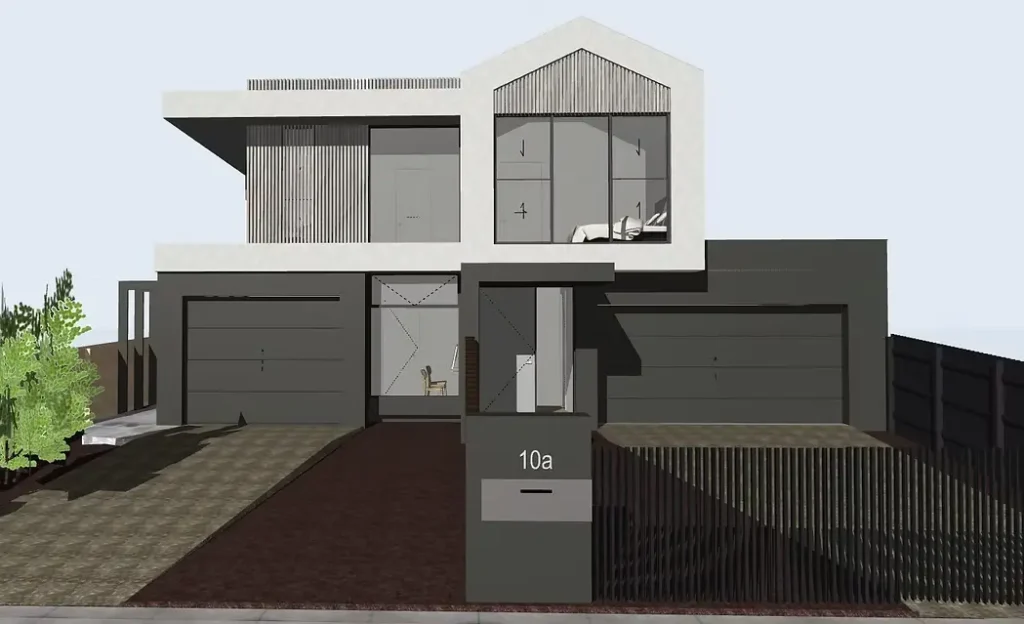
Responding to site and context
Successful townhouse design begins with a careful reading of the site, demonstrating sensitivity to its surroundings rather than imposing generic solutions.
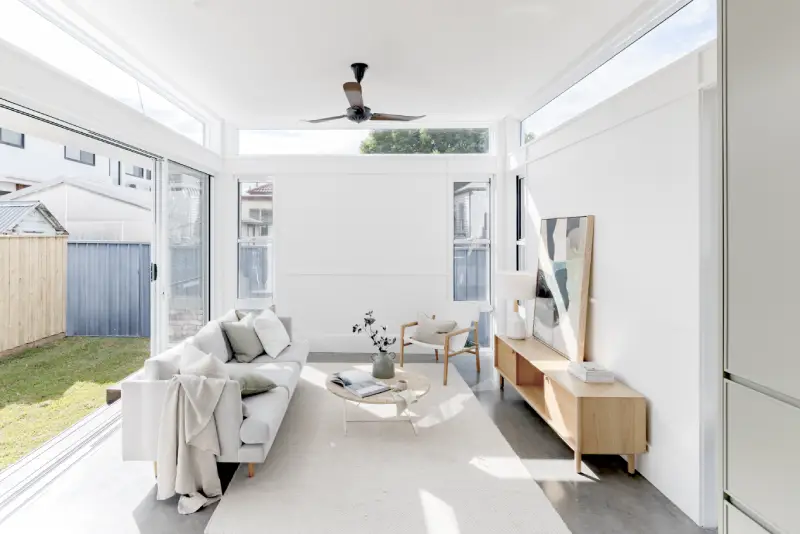
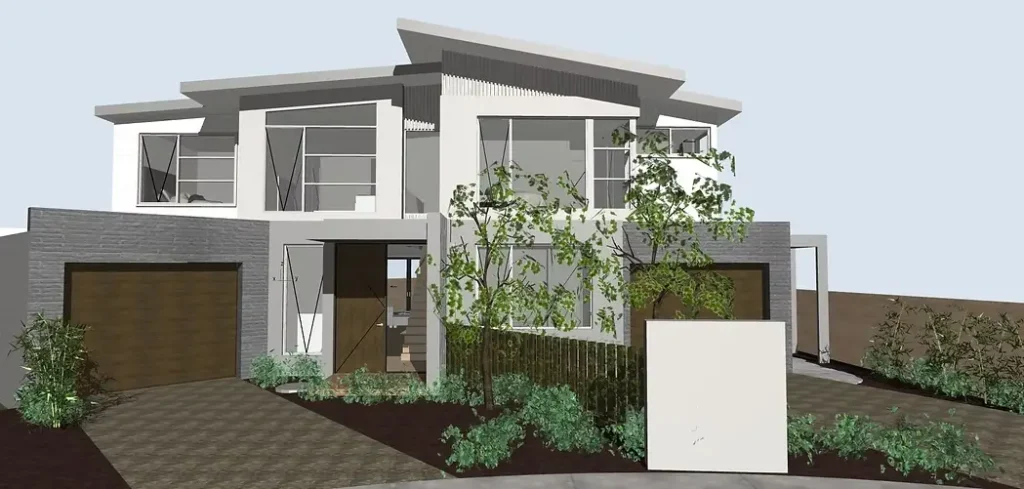
Site-responsive design considers orientation, neighbouring buildings, streetscape rhythm, and local character. These considerations influence how dwellings are arranged, where openings are placed, and how private spaces are protected. For example, a home on a sloping corner block might step its massing with the natural topography, position living areas to capture northern light while screening western sun, and use carefully placed highlight windows to admit daylight without compromising neighbouring privacy.
From a documentation perspective, drafting specialists ensure that contextual responses are embedded into plans and elevations accurately. This clarity supports planning approvals and helps maintain design integrity during construction.
Design drivers: Planning constraints and spatial efficiency
Townhouse projects are rarely unconstrained. Height limits, setbacks, overlooking provisions and private open space requirements shape what is possible. Award-winning designs often embrace these constraints as design drivers rather than obstacles.
When planning controls are addressed early and thoughtfully, they can lead to more refined outcomes. For example, building envelopes can guide proportion and rhythm, while overlooking controls can inform creative screening or layout solutions.
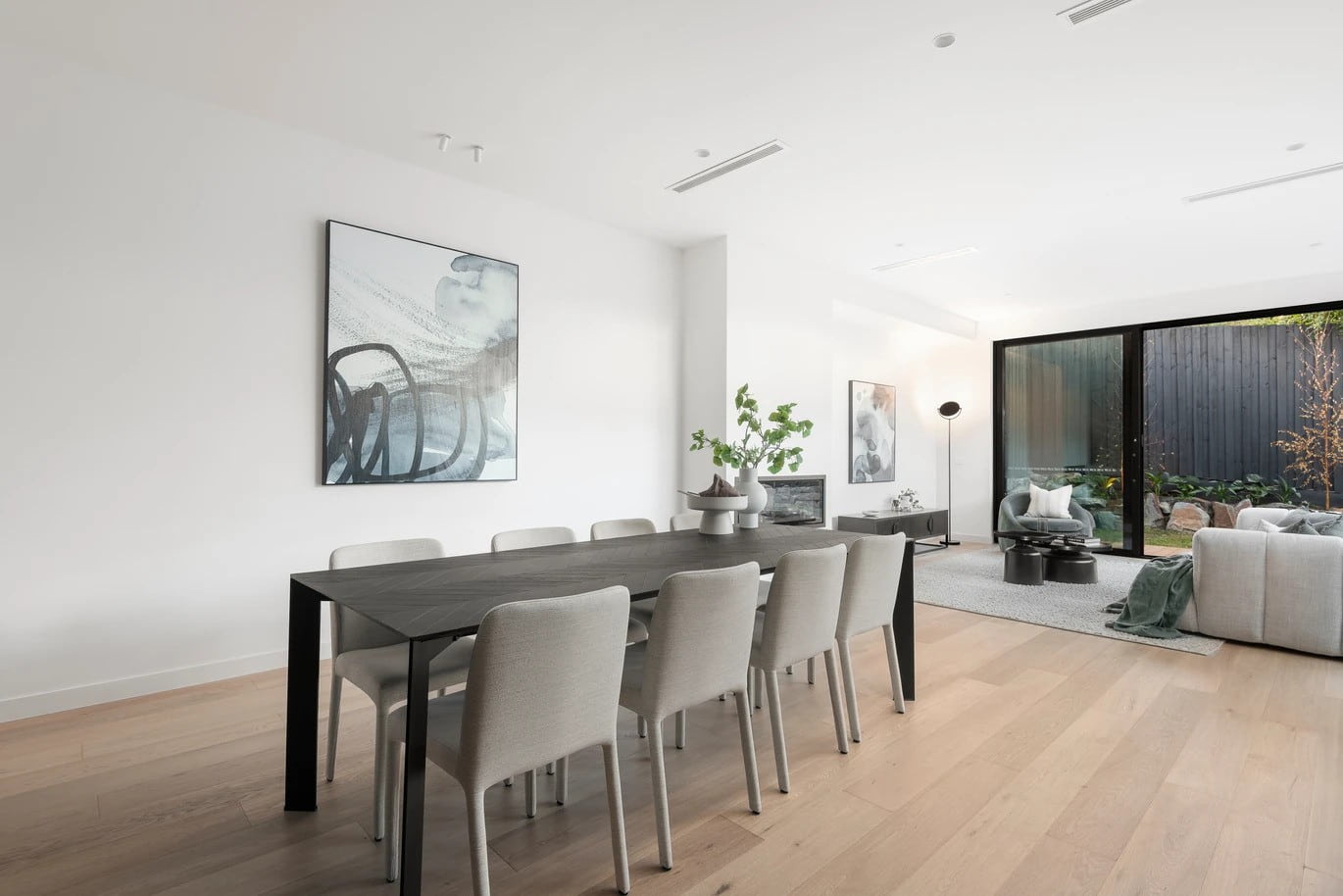
Buyers judge townhouses on how spaces feel and function day to day. Efficient layouts that maximise usable space without feeling cramped are consistently favoured. Award juries also recognise projects that demonstrate intelligent spatial planning.
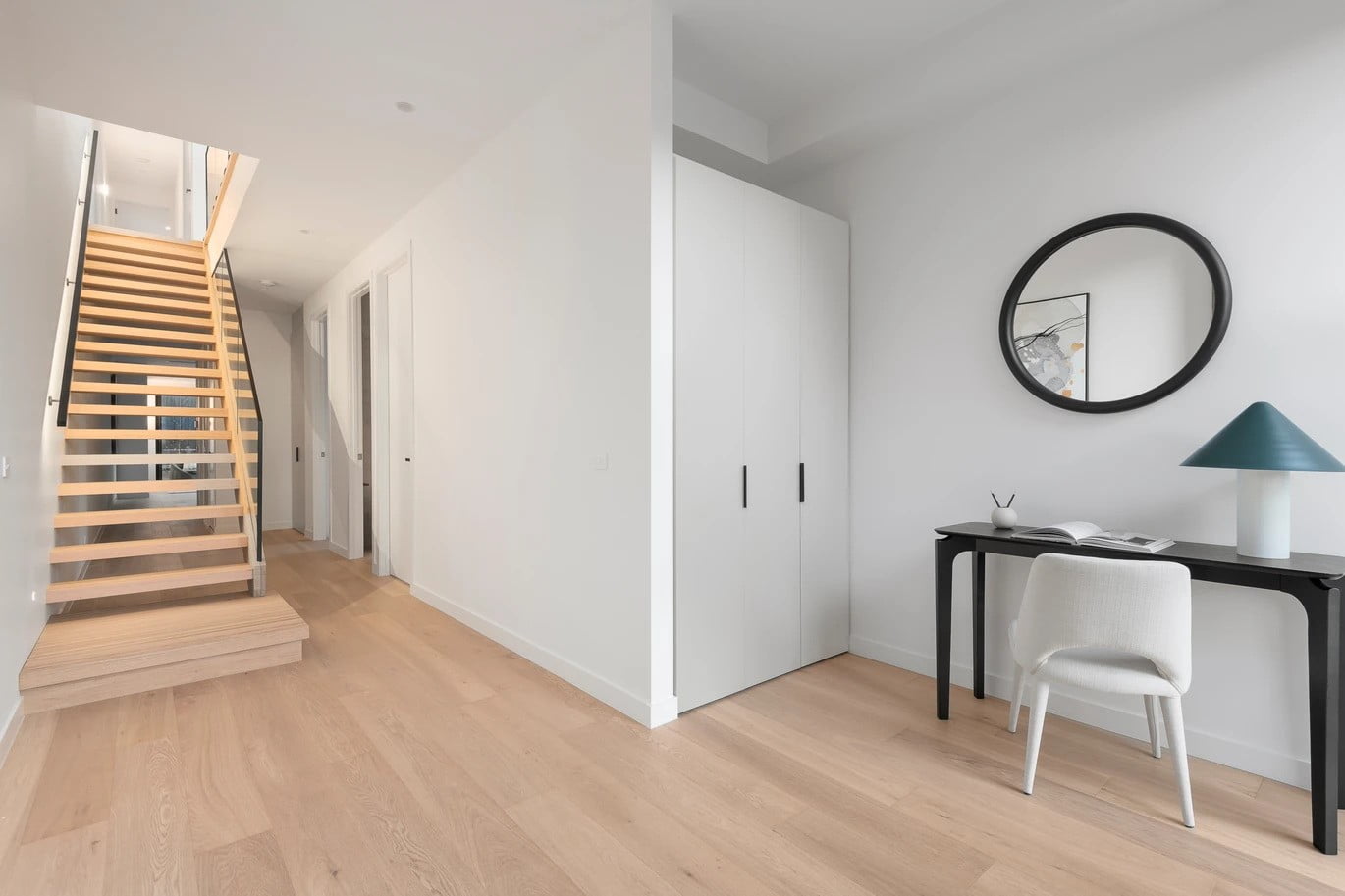
Key considerations include logical circulation, well-proportioned rooms and meaningful connections between indoor and outdoor spaces. These qualities depend on careful dimensioning and alignment across drawings.
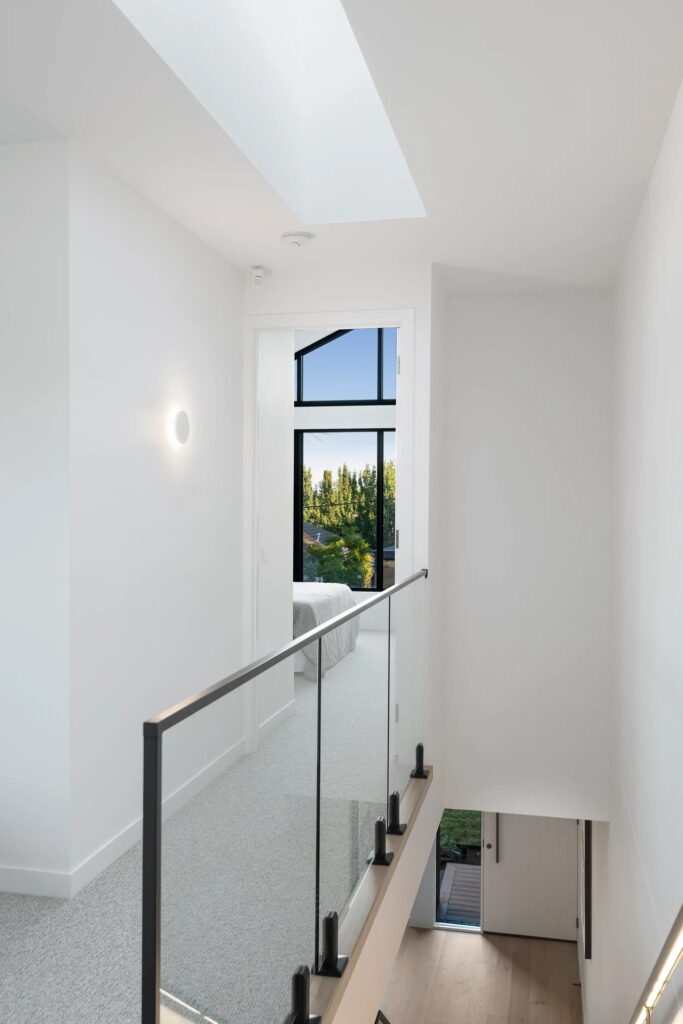
Other considerations: Comfort and material selection
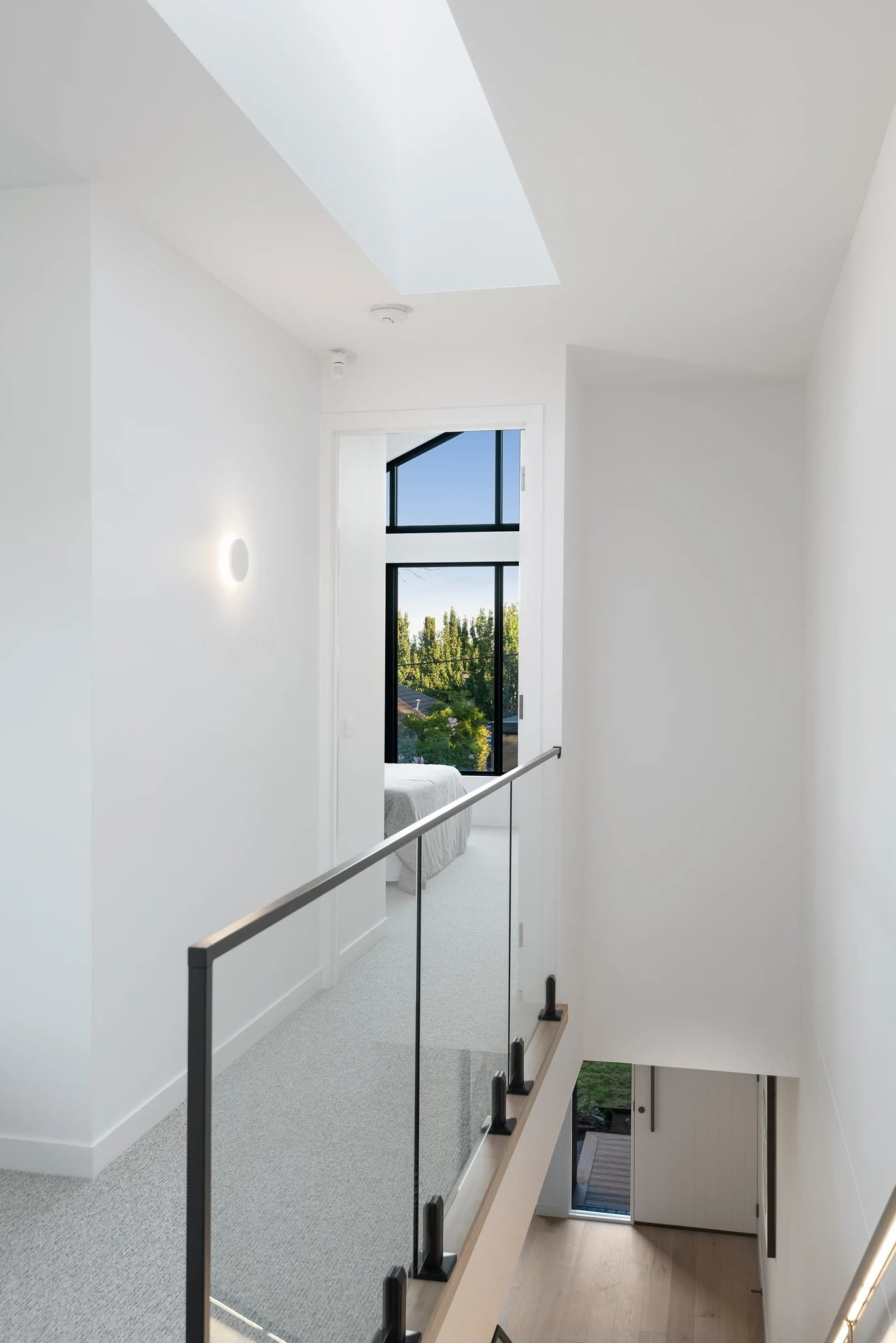
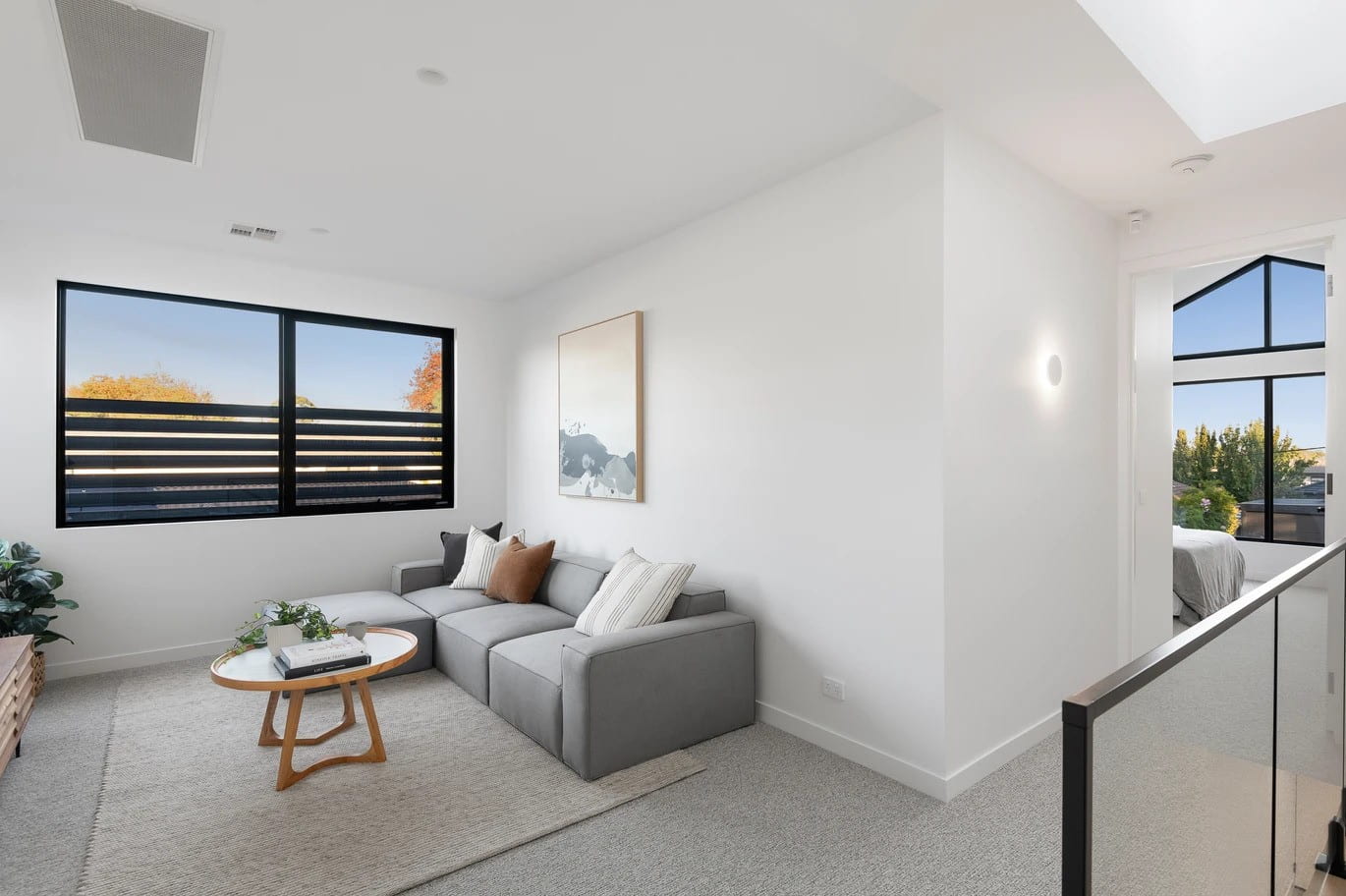
Homes that feel bright, airy, and comfortable stand out in the market. Award-winning townhouse designs typically demonstrate a strong understanding of orientation and environmental performance.
Documenting these strategies accurately is essential. Window placement, shading elements, and ceiling heights must be clearly illustrated to ensure performance intentions are delivered during construction.
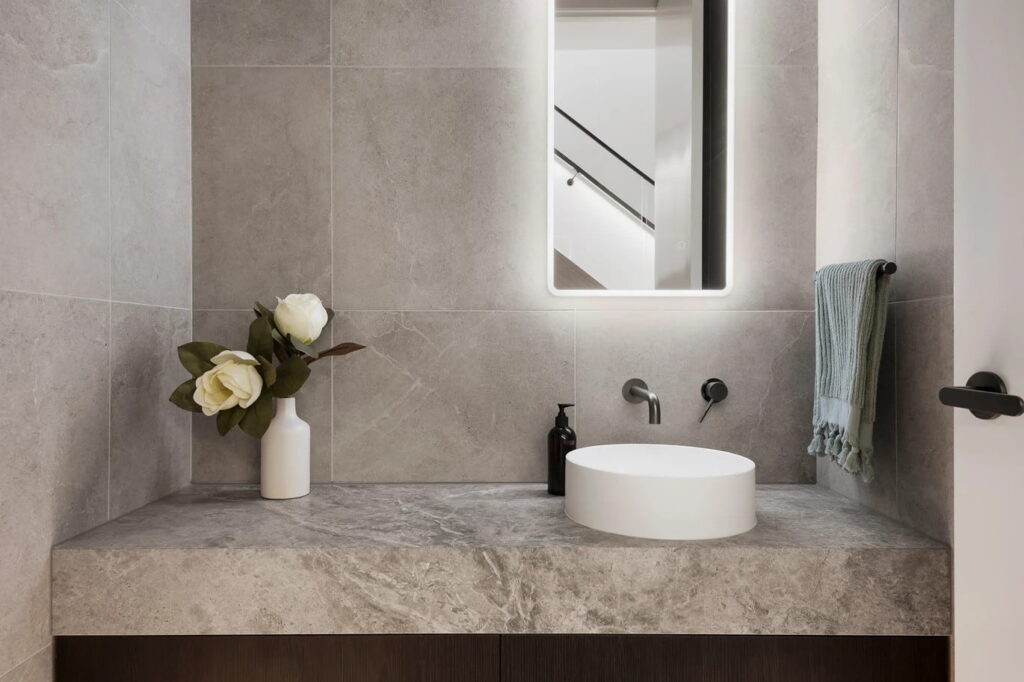
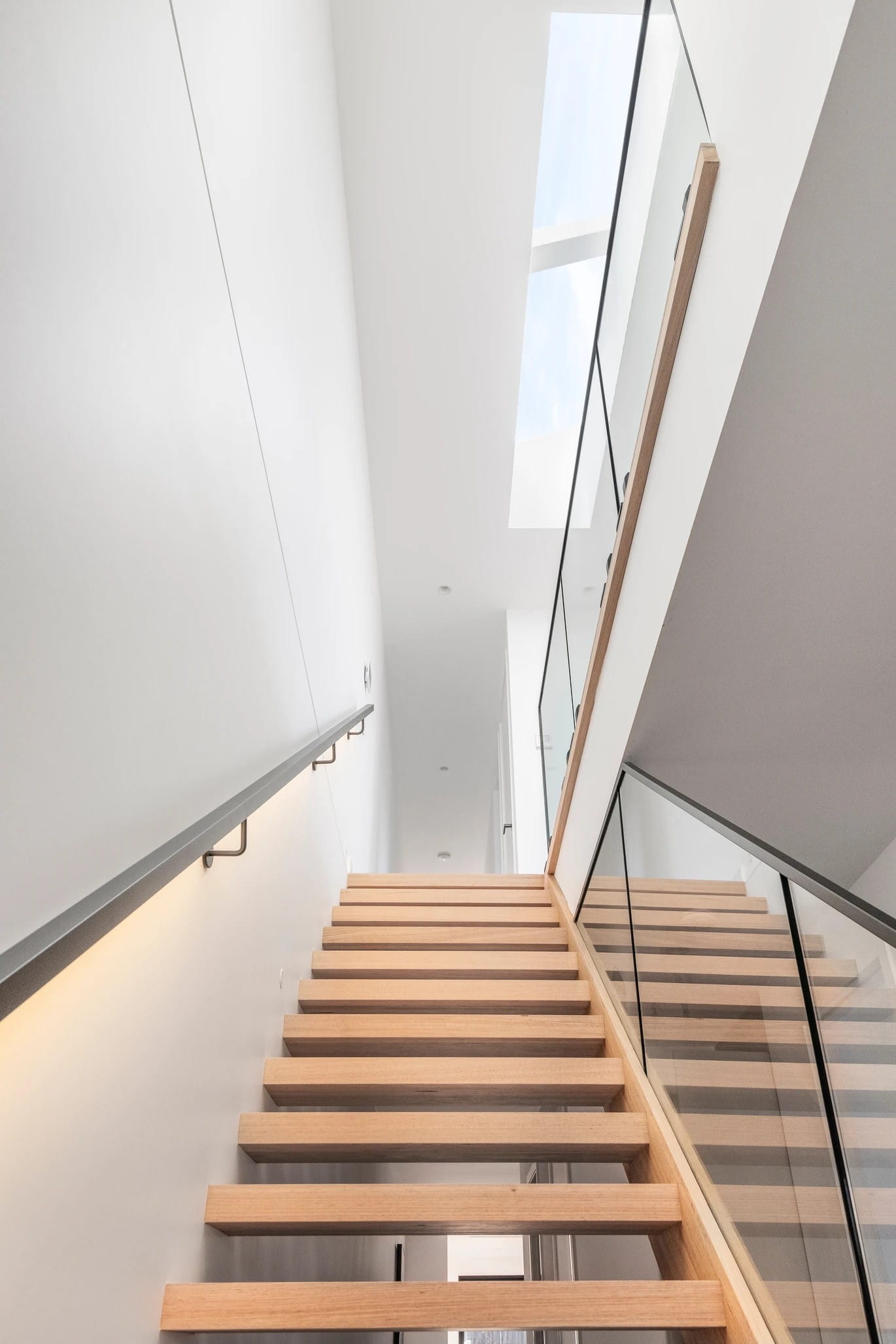
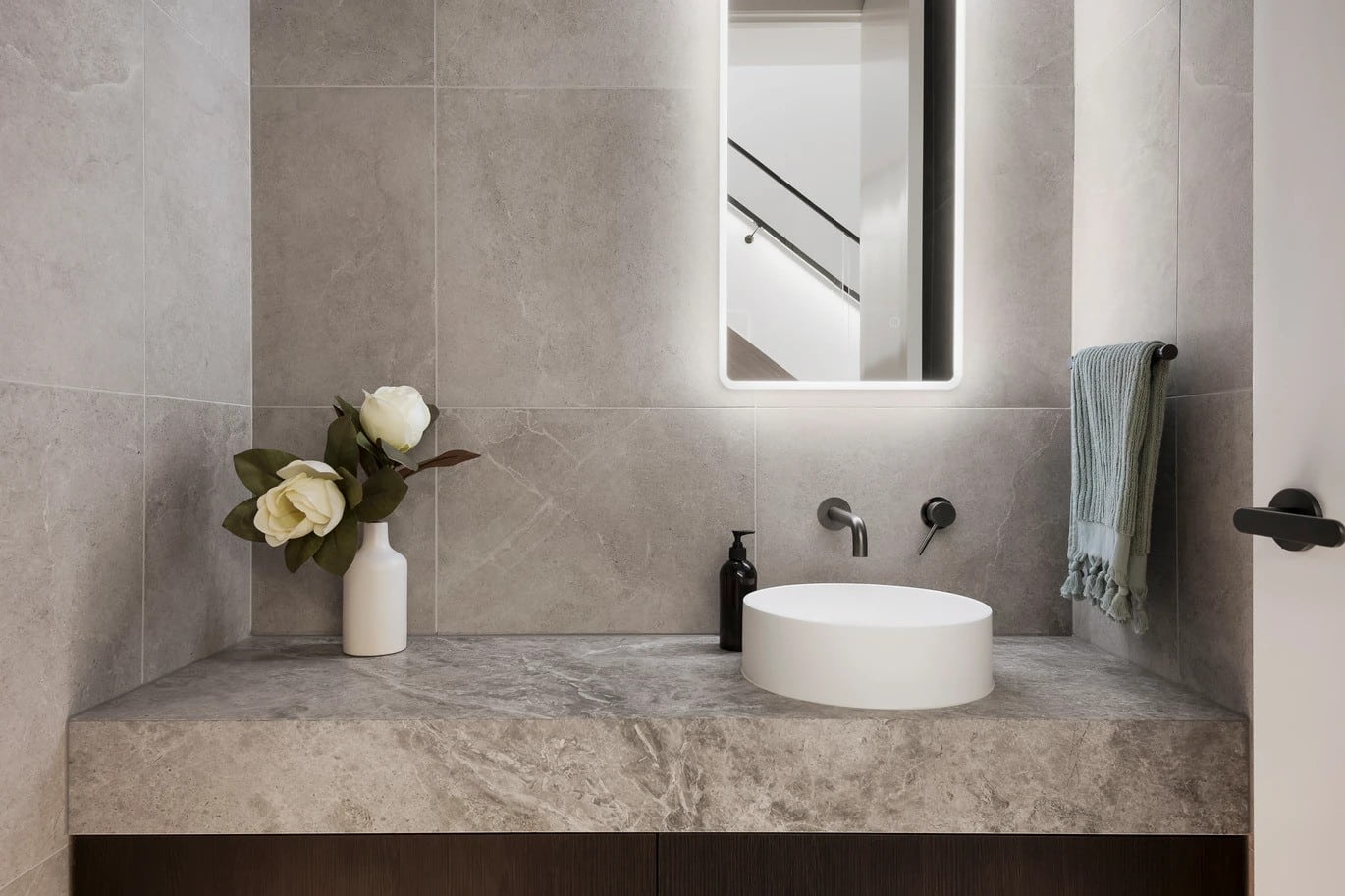
Another key factor to consider is the use of materials, which influence both first impressions and long-term satisfaction. Award juries often assess how materials are used to express form, durability, and sustainability. Buyers consider how materials age, how they feel, and how they affect maintenance.
Thoughtful material selection supports a sense of quality without unnecessary complexity. Consistent detailing reinforces design coherence and reduces construction risk.
Resources such as interior design and material selections highlight how finishes and materials can be integrated into documentation in a way that supports both aesthetics and practicality. Drafting ensures these decisions are communicated clearly to builders, reducing the likelihood of substitutions that undermine design intent.
Consistency across documentation
One of the defining characteristics of well-regarded townhouse projects is consistency. Inconsistent documentation often leads to compromised outcomes where builders may interpret intent differently across drawings, leading to variations that affect quality.
Drafting specialists focus on alignment across all documentation layers, supporting accurate pricing, smoother construction, and faithful execution of design concepts that appeal to buyers and juries alike.
When documentation supports accurate construction, the finished product reflects the design promise. This reliability builds trust with buyers and enhances market reputation.
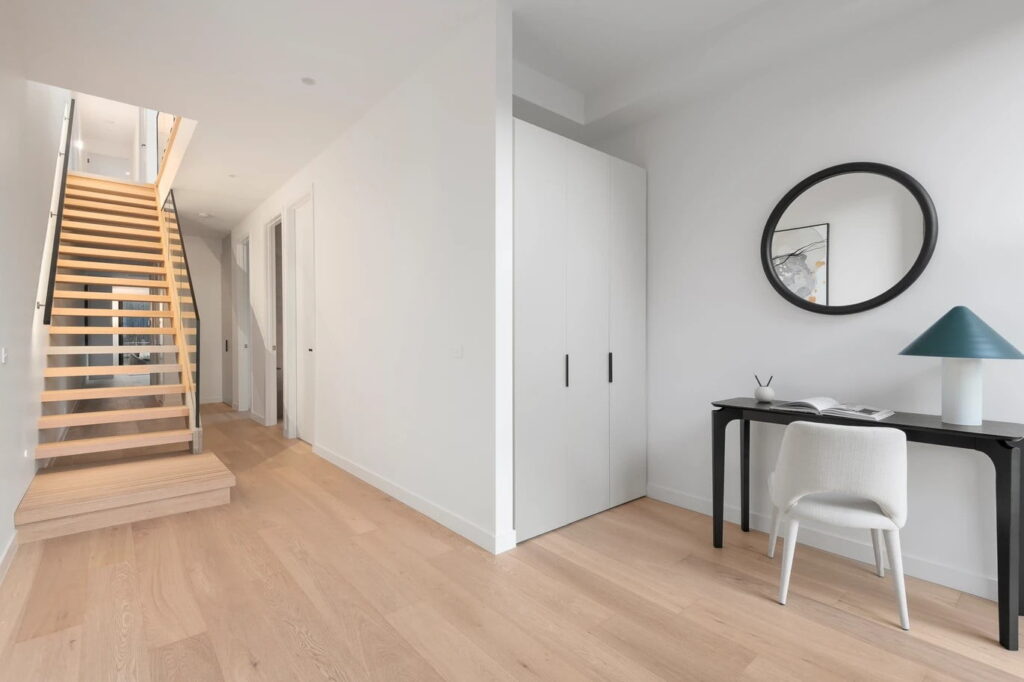
Design discipline and buildability
Award-winning townhouse projects are not necessarily the most complex. Many succeed because they balance ambition with buildability.
Buyers and builders benefit alike, with this approach resulting in better finishes, fewer defects, and more predictable timelines.
Drafting specialists contribute by resolving construction details early and documenting them clearly. This approach supports outcomes where design quality is not lost to on-site improvisation.
While improvisation isn’t a desired aspect of on-site work, creativity is a vital part of townhouse design – but only where it adds value. Avoid novelty for its own sake.
Drafting helps manage this balance by grounding creative ideas in buildable solutions. This discipline supports outcomes that feel cohesive and considered.
Integration of sustainability measures
Sustainability has become a core consideration in townhouse design for both awards and buyers alike.
Sustainable outcomes depend on integrated design decisions rather than add-on features. Building orientation, insulation strategies, and material choices all contribute.
Drafting ensures these measures are coordinated and documented accurately. Clear sections and details help ensure that sustainability strategies are implemented correctly, supporting both performance and recognition.
Learnings from recognised projects
Award-winning townhouse projects often share common traits: clarity of concept, disciplined execution, strong documentation, and longevity.
Awards increasingly recognise projects that demonstrate longevity and resilience. Buyers value homes that can accommodate changing needs over time. Drafting plays a quiet but essential role in translating ambition into reality. It supports the delivery of design ideas that resonate with both industry peers and the market.
Those interested in understanding the philosophy behind such documentation-driven approaches may refer to About Peninsula Design & Drafting for additional context.
Final commentary
Through clarity, collaboration and attention to detail, townhouse projects can achieve recognition and market success simultaneously. Drafting specialists play a central role in this process, translating design ideas into clear, coordinated drawings that guide construction.
By focusing on liveability, buildability, and long-term value, designers and drafters contribute to townhouses that stand out for the right reasons and endure beyond initial accolades.