
Townhouse designs and documentation processes explained
A practical guide from Peninsula Design & Drafting.
Townhouse developments continue to play a growing role in Australian residential construction, particularly in areas where land supply, density controls and housing demand intersect. Understanding what happens at each stage helps property owners, builders, and developers set realistic expectations and make informed decisions.
What can you expect from a townhouse design and documentation process, and how is design intent translated into build-ready information?
Let’s talk about your project
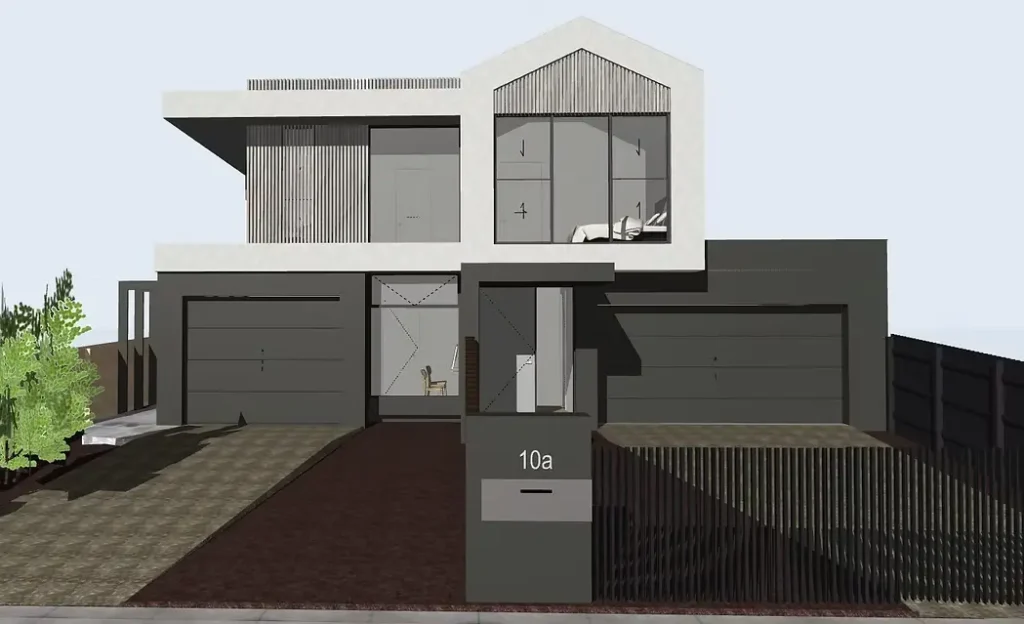
Establishing the project brief
Every townhouse project begins with a brief. This initial stage sets the foundation for everything that follows. The brief typically covers site details, intended dwelling numbers, target market, budget considerations, and planning constraints. For many clients, this is also where lifestyle, functionality, and long-term value are discussed.
From a documentation perspective, the brief is more than a list of wishes. It becomes a reference point for resolving space allocation, circulation, and compliance requirements. Drafting professionals use this information to frame early design decisions that remain consistent throughout the project lifecycle.
Most practices, including Peninsula Design & Drafting, approach the brief as a working document rather than a static instruction, understanding that it may evolve.
T E S T I M O N I A L S
Trustindex verifies that the original source of the review is Google. I used Sean's services for a development in Frankston. His initial advice on property selection proved invaluable. His knowledge, attention to detail and experience is highly recommended.Trustindex verifies that the original source of the review is Google. We had the pleasure of working with Sean at Peninsula Design & Drafting to bring our Hamptons-style dream home to life in Mount Eliza — and we couldn’t be happier with the result. Sean’s ability to translate our ideas into a cohesive, elegant design was outstanding. He listened carefully, understood exactly what we were after, and delivered plans with exceptional attention to detail. Throughout the process, Sean was professional, responsive, and genuinely invested in creating a home that felt uniquely ours. His design not only captured the aesthetic we envisioned but also incorporated practical, thoughtful touches that elevated the entire project. Highly recommend Sean to anyone looking for a designer who combines creativity, precision, and a deep understanding of client needs.Trustindex verifies that the original source of the review is Google. Worked with Sean on a new build project — he’s smart, humble, and has a great eye for building design. Easy to work with, detail-oriented, and always professional. Highly recommended!Trustindex verifies that the original source of the review is Google. Worked with Peninsula Design & Drafting for a single-block development in Bayside Melbourne. Sean's skill, professionalism, experience and great work ethic ensured we had a successful project. Great comms through this lengthy process, and ultimately very good value for money. Highly recommended.
Site analysis and planning context
Townhouse design is heavily influenced by site-specific factors. Lot size, shape, slope, orientation, and surrounding development all play a role in determining what is achievable. Before any meaningful documentation begins, these conditions are reviewed and tested against planning controls.
Drafting specialists analyse setbacks, height limits, site coverage, private open space requirements, and parking provisions. This early analysis helps ensure that concept designs are grounded in reality and capable of progressing through approvals without significant redesign.
Understanding the planning context early reduces risk later in the process. It also provides clarity for clients, who gain a more accurate picture of development potential before investing further time or resources.
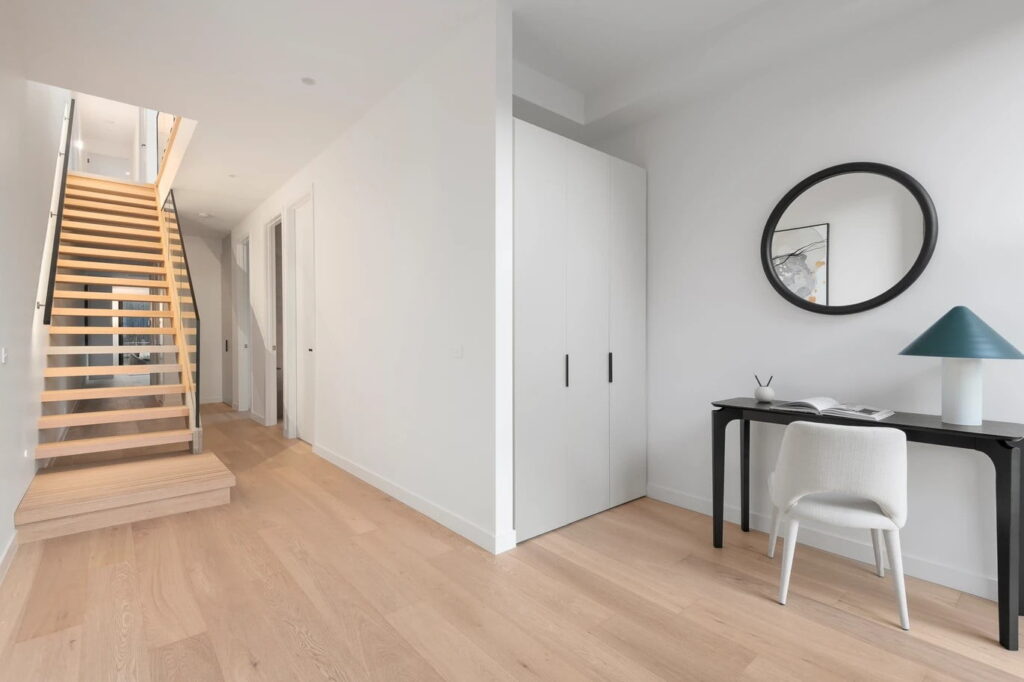
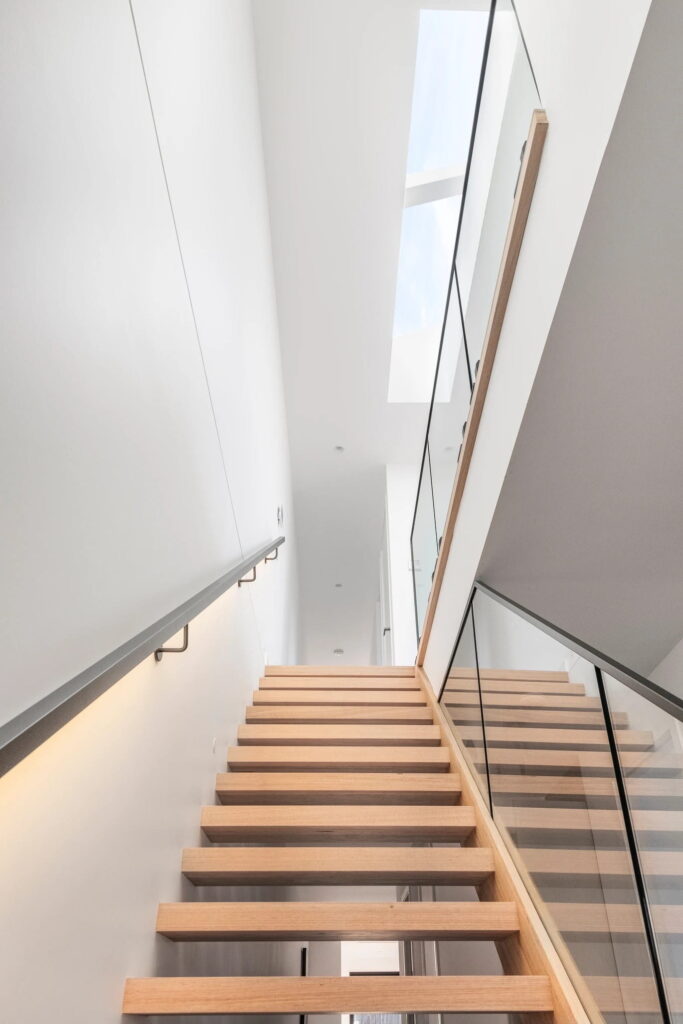
Concept design development
Concept design is where ideas begin to take form. At this stage, layouts are explored to balance dwelling yield, liveability, and compliance. For townhouse projects, this often involves testing multiple configurations to identify the most effective arrangement.
Concept design prioritises functional relationships between spaces, including entry points, internal circulation, storage, natural light, and privacy between dwellings. These decisions influence both market appeal and construction practicality.
Design refinement and coordination
Once a preferred concept is selected, the design moves into a refinement phase. This is where dimensions are confirmed, structural systems are considered, and spatial relationships are finalised. For townhouse projects, coordination becomes increasingly important as multiple dwellings share walls, services, and access points.
Drafting specialists ensure that plans, elevations and sections align consistently. This coordination reduces the likelihood of conflicts between design elements as the project progresses. Builders and consultants rely on this consistency when reviewing and pricing the project.
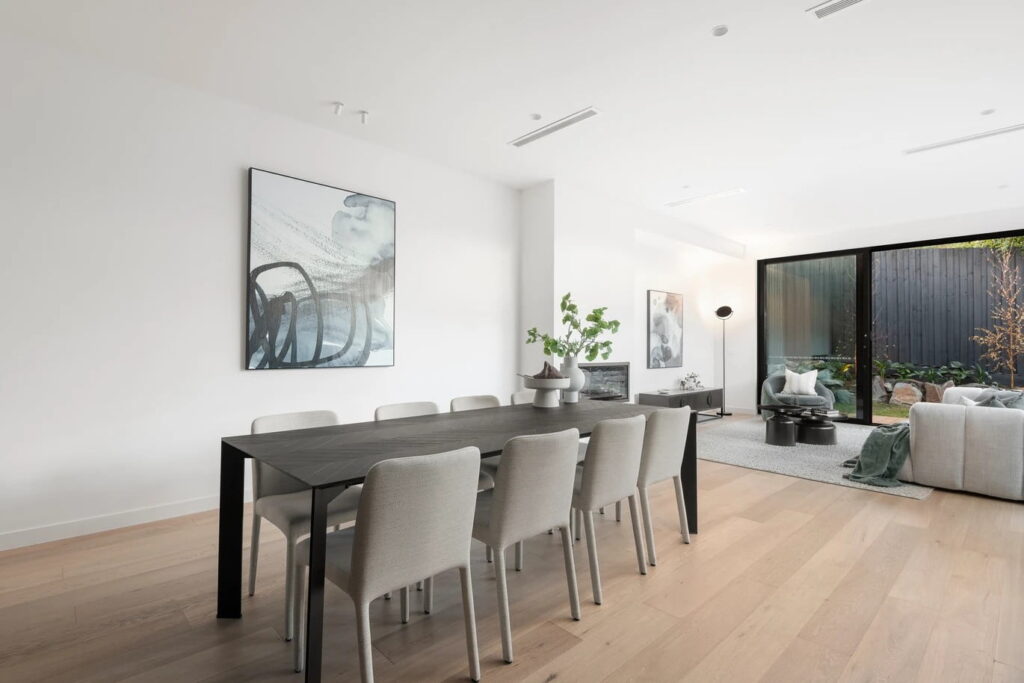
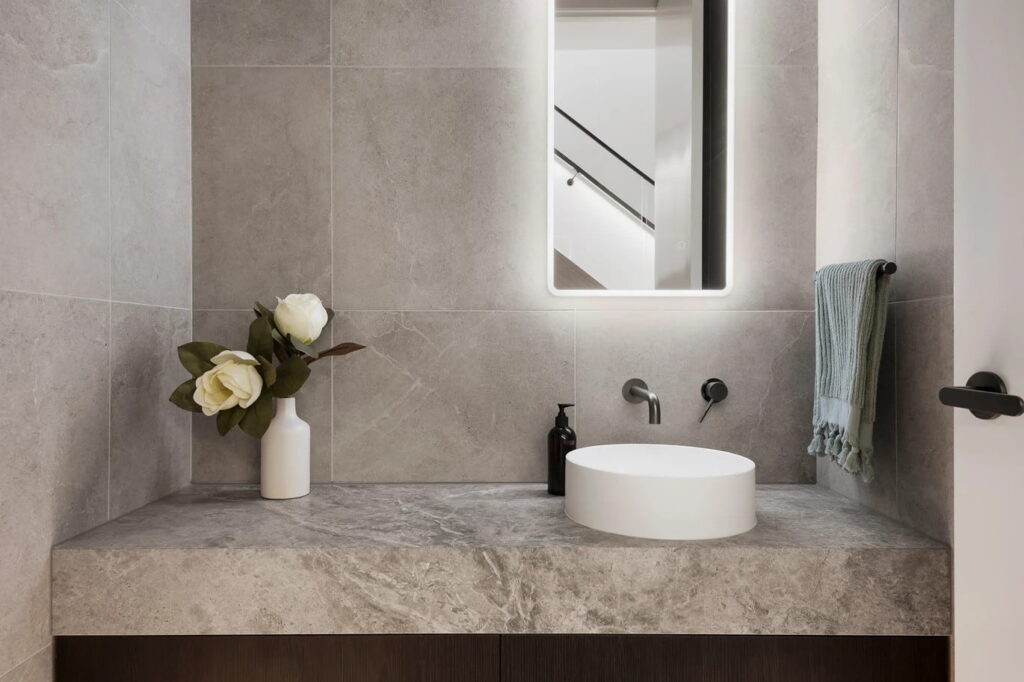
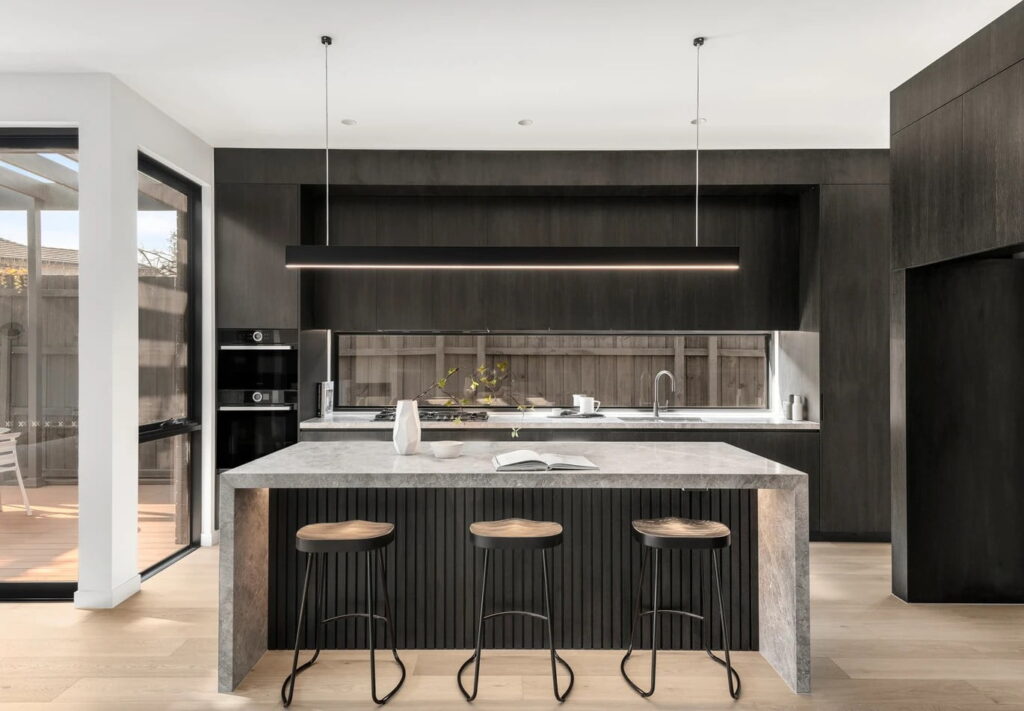
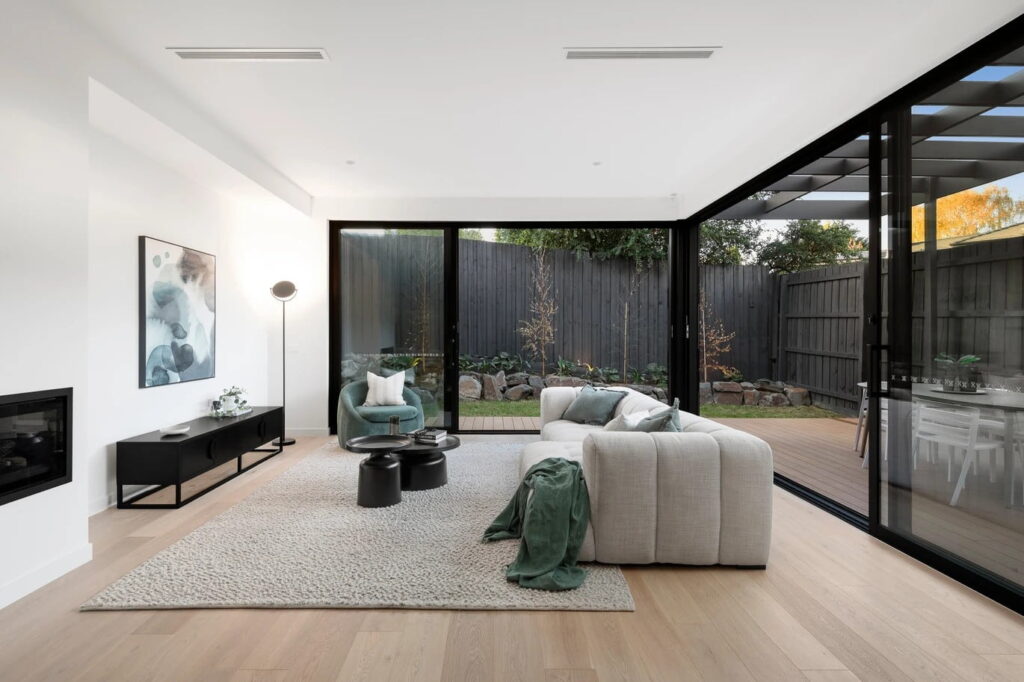
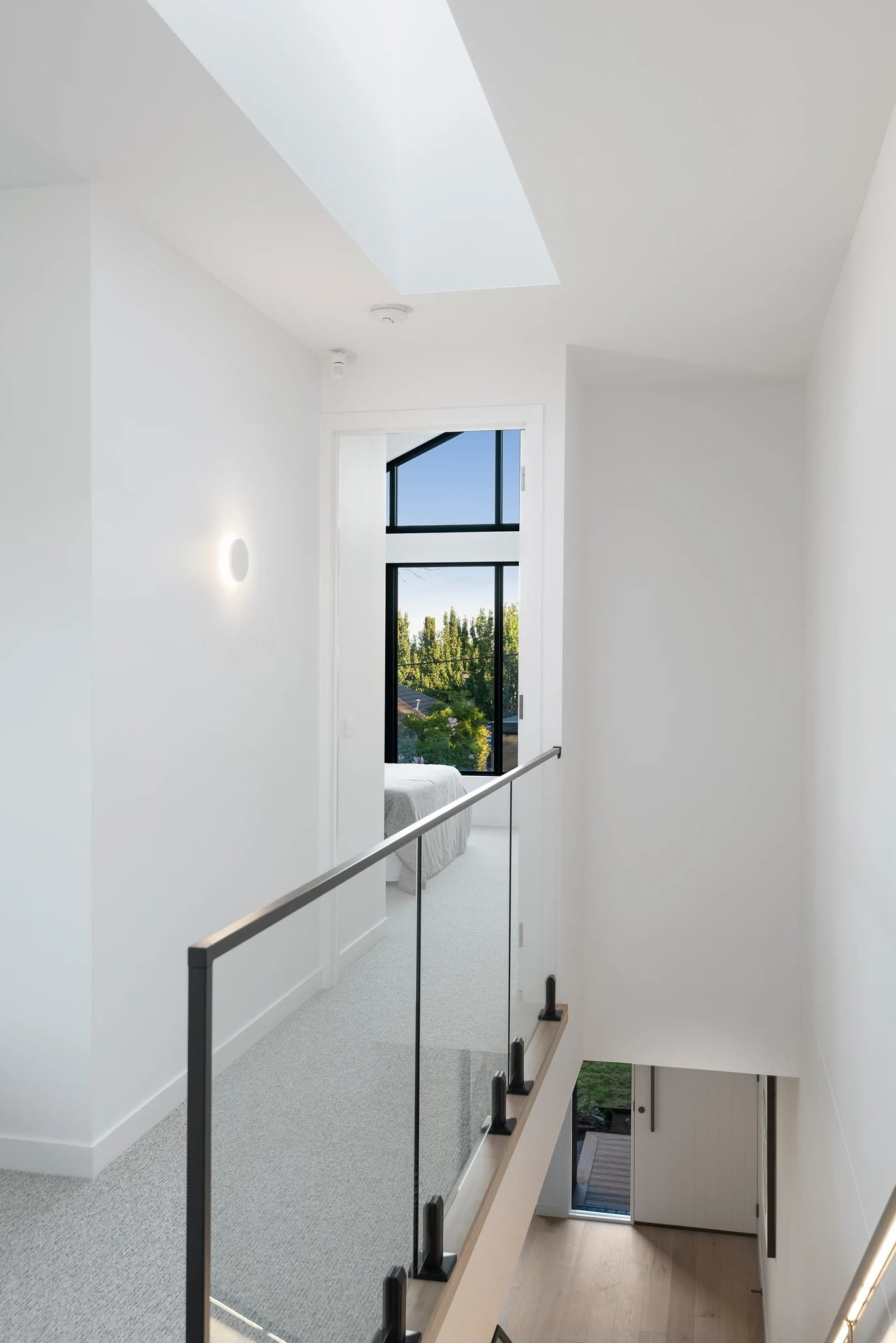
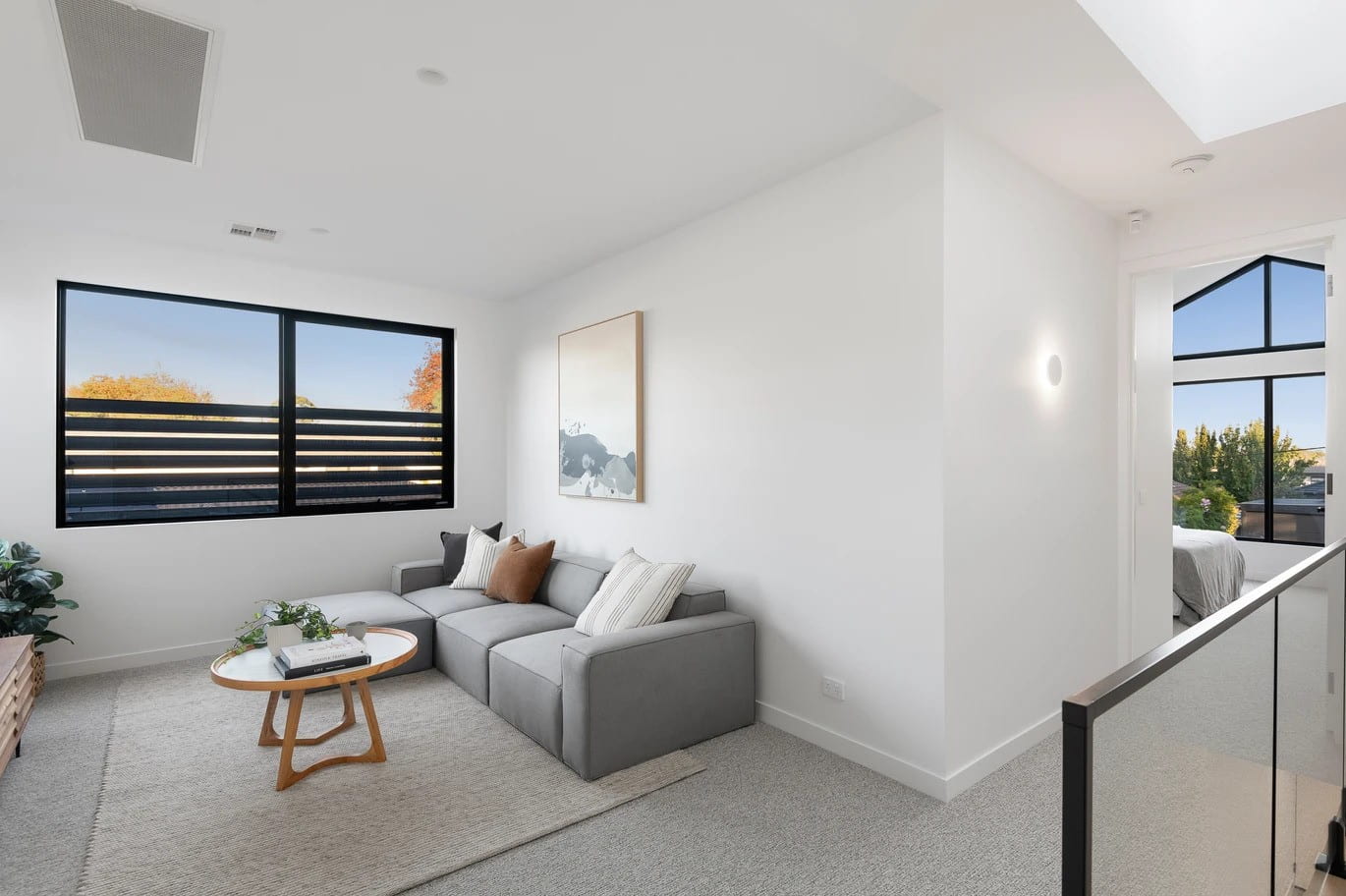
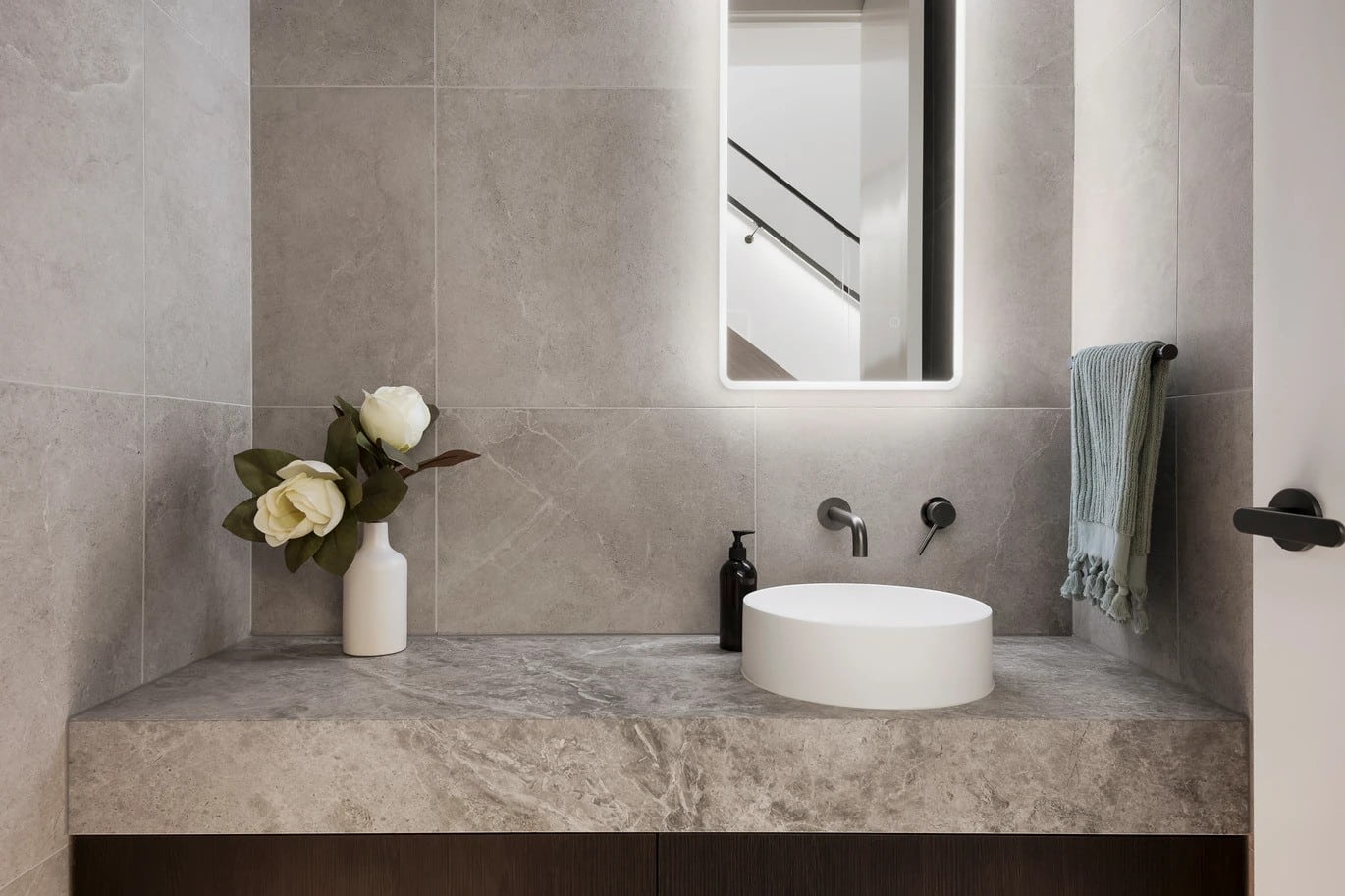
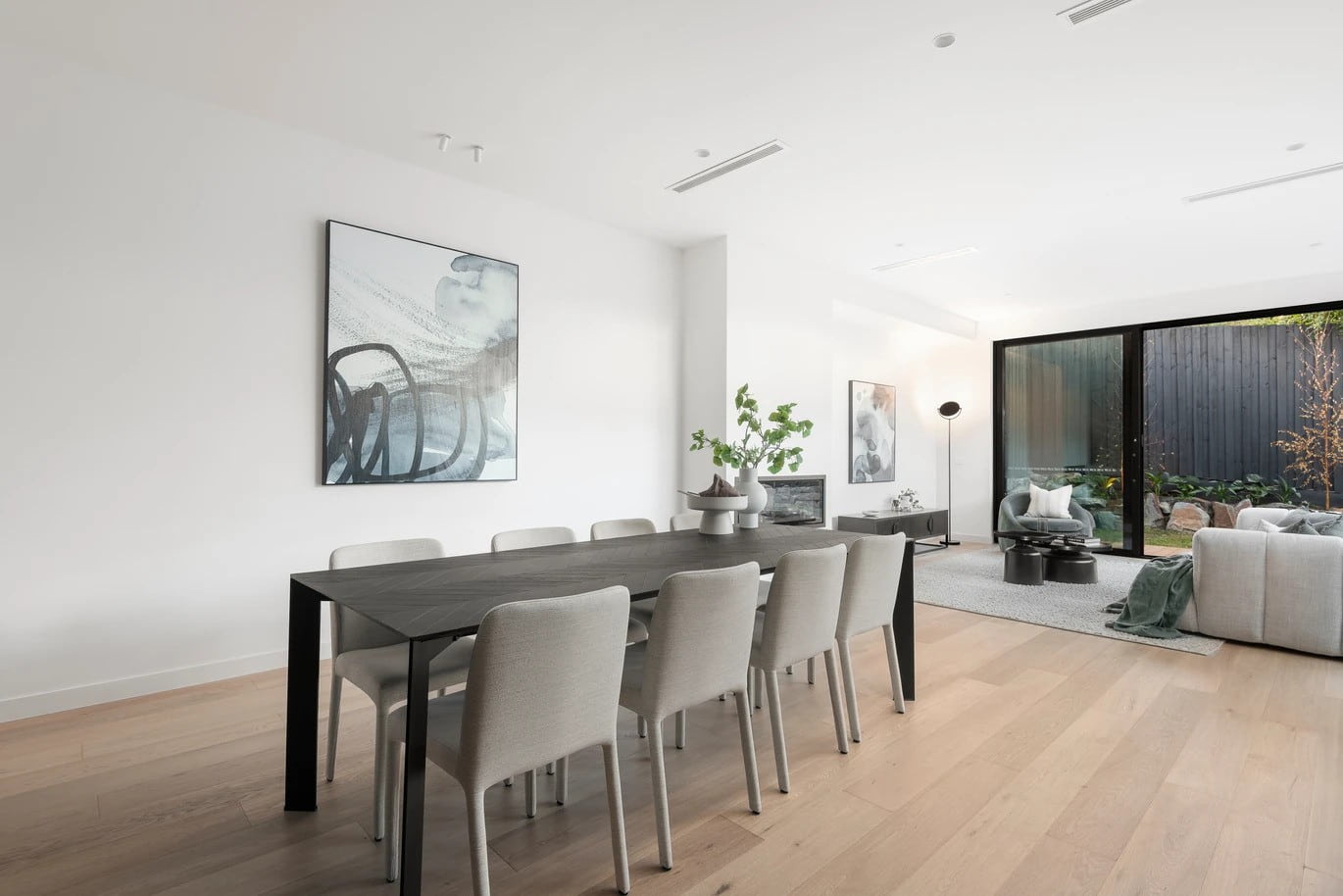
Material and finish considerations may also be introduced at this stage. Resources such as interior design and material selections provide context on how internal finishes and materials can be resolved alongside architectural documentation, supporting a cohesive outcome.
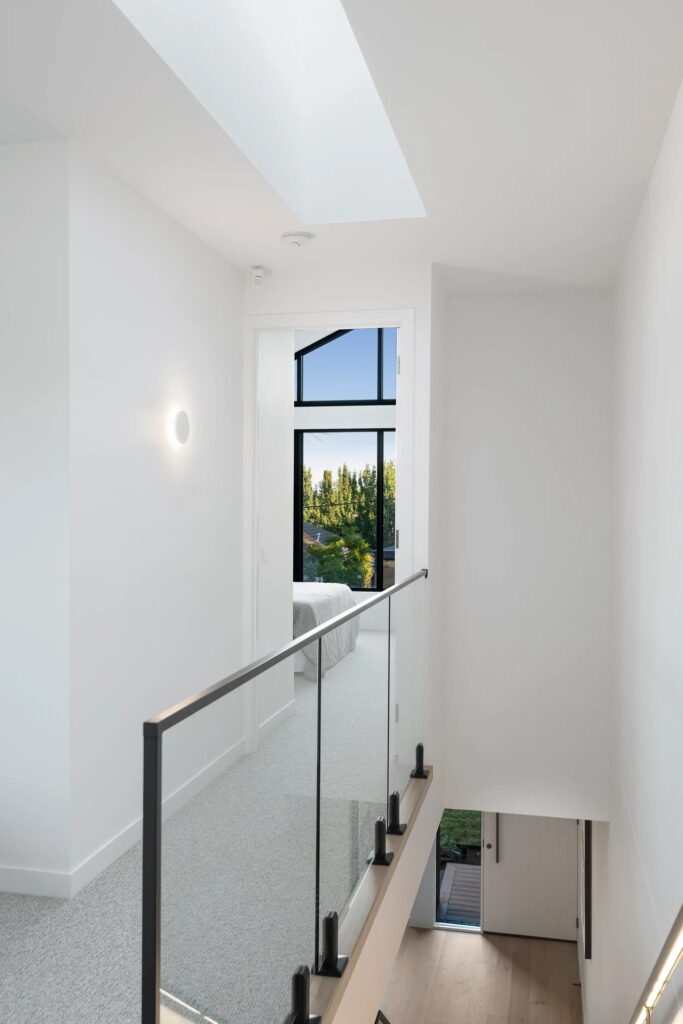
Detailed documentation
Detailed documentation is the stage most closely associated with drafting specialists. Here, the design is translated into a comprehensive set of drawings suitable for approval and construction. These drawings communicate dimensions, levels, construction methods, and specifications in detail. Fire separation, acoustic treatment, structural continuity, and service coordination are addressed through detailed plans and sections.
Builders value this stage because it provides the clarity needed to price and build with confidence. Accurate documentation reduces assumptions and helps ensure that what is approved is what is constructed.
Coordination with consultants
Townhouse projects often involve multiple consultants, including structural engineers, energy assessors, and surveyors. Drafting specialists coordinate input from these parties, ensuring that their requirements are reflected accurately in the drawings.
This coordination helps align structural systems, energy performance measures, and site information with architectural intent. By acting as a central point of coordination, drafting professionals support smoother communication across disciplines and help maintain momentum throughout the project.
Planning and approval documentation
Once documentation reaches a sufficient level of detail, it is prepared for planning submission. This involves presenting drawings in a format that clearly demonstrates compliance with relevant controls.
Clear documentation supports efficient assessment by councils and certifiers. When drawings address setbacks, heights, overshadowing and private open space requirements explicitly, reviewers can more easily evaluate proposals.
Drafting specialists familiar with local requirements anticipate common assessment issues and address them proactively. This approach reduces the likelihood of requests for additional information or redesign during the approval process.
Responding to feedback and revisions
Feedback from councils, certifiers, or consultants is a normal part of the townhouse documentation process. Revisions may be required to address specific conditions or clarify aspects of the design.
Drafting specialists manage this stage by updating drawings accurately and consistently. Changes are tracked across all relevant documents to ensure alignment is maintained.
For clients, this stage can feel iterative, but it plays an important role in refining the project and securing approvals that support construction certainty.
Construction-ready documentation
Once approvals are obtained, documentation is finalised for construction use. This version of the drawings becomes the primary reference on site and must reflect all approved changes.
Construction-ready documentation focuses on clarity and completeness. Builders rely on these drawings to coordinate trades, order materials and manage sequencing. Perhaps unsurprisingly, any ambiguity at this stage can lead to delays or variations. Drafting specialists ensure that construction sets are legible, consistent and aligned with approval conditions, providing a reliable foundation for the build phase.
Supporting construction delivery
While documentation is largely completed before construction begins, drafting specialists often remain involved during the build. Clarifications, minor adjustments, or additional details may be required as work progresses.
Support during construction helps ensure that design intent is maintained and that changes are documented accurately.
Managing change during construction
Townhouse projects can evolve during construction due to site conditions, supply constraints, or client decisions. Drafting specialists assist by updating drawings to reflect approved changes, ensuring records remain accurate.
This process supports compliance and provides a clear reference for future maintenance or modifications. Accurate as-built documentation adds long-term value to the project.
But clear documentation has advantages that extend beyond completion. Clear records support warranty management, future renovations, and property transactions. Owners and managers benefit from knowing exactly how the building was constructed, contributing to smoother handovers.
The importance of experience and local knowledge
Townhouse design is influenced by local planning frameworks, construction practices, and market expectations. Drafting specialists with experience in similar projects bring valuable insight to the process.
Understanding how local conditions affect design decisions allows documentation to be more precise and relevant. This localised approach supports outcomes that perform well both during approval and in long-term use.
Final commentary
The townhouse design and documentation process is detailed, collaborative, and influential on final results. From early site analysis and concept development through to construction-ready drawings and ongoing support, each stage builds on the last.