
How architectural drafting plays a part in high-performance homes
Architectural drafting is the missing piece that makes your homes truly high-performance. Here are your insights from Peninsula Design & Drafting.
High-performance homes are no longer a niche concept reserved for architectural showpieces. Across Australia, homeowners, builders, and developers are increasingly focused on improving energy efficiency, comfort, and durability. And you could be too.
Architectural drafting may not be the first thing to come to mind for your high-performance home – many go to insulation, glazing, and renewable energy – but it plays a central role in bringing your performance goals to life.
Design intent, technical documentation, and construction outcomes all play a role in bringing together your high-performance home.
Let’s talk about your project
Architectural drafting is the backbone of high-performance homes
High-performance homes operate efficiently across their entire lifecycle, including thermal performance, energy use, indoor air quality, and resilience to environmental conditions.
While architects and designers often establish the overarching vision, drafters bridge the gap between concept and construction, ensuring that performance strategies are clearly documented, measurable and achievable on site. Drafted drawings communicate dimensions, relationships, tolerances, and construction intent in a way that allows builders and consultants to deliver the design accurately.
Documentation should be approached as a coordination tool rather than a formality, anticipating construction realities, highlighting interfaces between structural elements, building services, and finishes that influence performance.
T E S T I M O N I A L S
Trustindex verifies that the original source of the review is Google. I used Sean's services for a development in Frankston. His initial advice on property selection proved invaluable. His knowledge, attention to detail and experience is highly recommended.Trustindex verifies that the original source of the review is Google. We had the pleasure of working with Sean at Peninsula Design & Drafting to bring our Hamptons-style dream home to life in Mount Eliza — and we couldn’t be happier with the result. Sean’s ability to translate our ideas into a cohesive, elegant design was outstanding. He listened carefully, understood exactly what we were after, and delivered plans with exceptional attention to detail. Throughout the process, Sean was professional, responsive, and genuinely invested in creating a home that felt uniquely ours. His design not only captured the aesthetic we envisioned but also incorporated practical, thoughtful touches that elevated the entire project. Highly recommend Sean to anyone looking for a designer who combines creativity, precision, and a deep understanding of client needs.Trustindex verifies that the original source of the review is Google. Worked with Sean on a new build project — he’s smart, humble, and has a great eye for building design. Easy to work with, detail-oriented, and always professional. Highly recommended!Trustindex verifies that the original source of the review is Google. Worked with Peninsula Design & Drafting for a single-block development in Bayside Melbourne. Sean's skill, professionalism, experience and great work ethic ensured we had a successful project. Great comms through this lengthy process, and ultimately very good value for money. Highly recommended.
How drafting finetunes the architectural elements of your home
Building envelope detailing and performance
The building envelope is the physical barrier that separates the home from the outside world; this includes walls, roofs, floors, windows, and doors. Collectively, these aspects determine thermal efficiency, air tightness, and moisture control.
Architectural drafting is the glue, making sure that the “how” of these elements all comes together. Construction details will illustrate insulation continuity, vapour barriers, junction treatments and material transitions.
In high-performance projects, drafting often involves close collaboration with energy assessors and engineers who rely on these documents for precise technical integration. As such, the drawings help align performance modelling assumptions with what is actually being built, reducing the risk of discrepancies between compliance documentation and construction outcomes.
Material selection and long-term performance
High-performance homes often prioritise materials that support thermal stability, moisture management, and indoor air quality.
Architectural drafting supports informed material selection by clearly specifying products, assemblies and finishes, translating choices into precise construction information.
For homeowners exploring material options, our resources can provide context on how material decisions interact with overall design and performance considerations.
Integrating building services
Modern high-performance homes rely on integrated building services. These systems must be carefully coordinated with the architectural design to function effectively.
How does architectural drafting come into play here? It is the main driver behind allocating space for services, coordinating penetrations (ducts, pipes), and ensuring access for maintenance. Through coordinated drawings, drafting helps align architectural intent with mechanical and electrical requirements.
Architectural drafting is the glue for design principles and processes
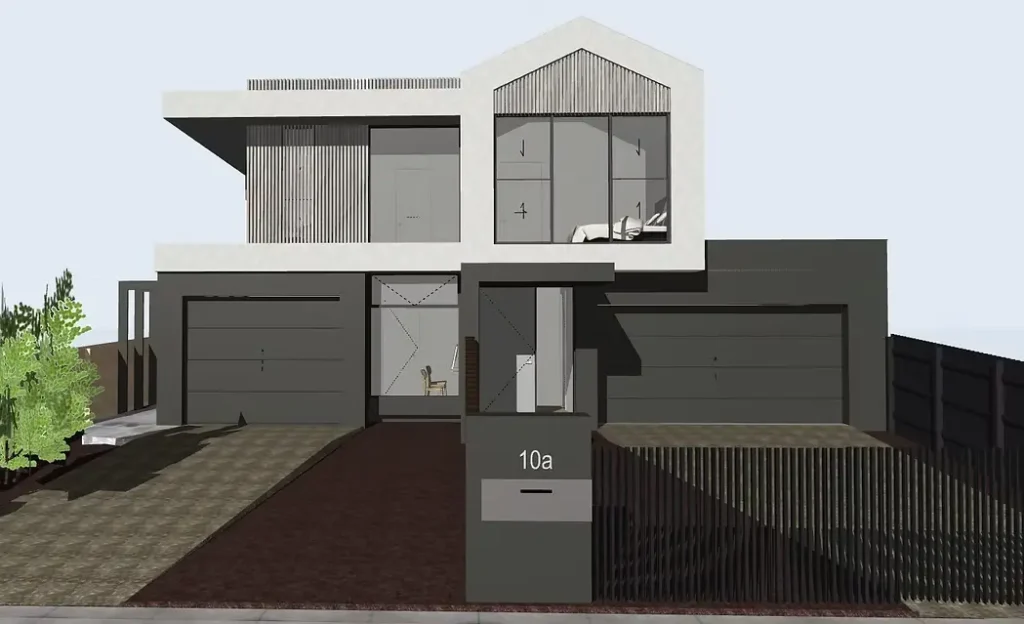
The role of orientation and passive design principles
One of the earliest performance decisions for most modern homes relates to building orientation – the positioning of your home in relation to the path of the sun and the prevailing wind in your region.
Passive architectural design principles aim to maximise natural heating, cooling, and daylight while minimising unwanted heat gain or loss through optimum building orientation. The positioning of window sizes, shading devices, roof overhangs, and room layouts in relation to solar path and winds is integral, but can be improperly executed without precise documentation or passive strategies.
With the use of architectural drafting, this can be mitigated. Further, it can also play a role in resolving site-specific constraints, which are particularly common in residential contexts where tight lot conditions, strict planning controls, neighbouring impacts, and limited budgets constrain orientation, solar access, and ventilation.
Managing compliance and approvals
High-performance homes must comply with planning controls, building codes, and Australian Standards.
Clear, well-structured drawings outlined through architectural drafting can streamline approval pathways, reducing delays caused by incomplete or inconsistent information. This is particularly relevant as performance-related elements, such as glazing ratios or insulation systems, are subject to assessment.
Drafting also provides a record of compliance decisions, creating transparency for certifiers, builders, and clients alike. This becomes particularly poignant as building performance standards continue to evolve in response to environmental, regulatory, and market pressures. Architectural drafting must adapt accordingly, incorporating new requirements and technologies into documentation practices.
Collaboration across disciplines
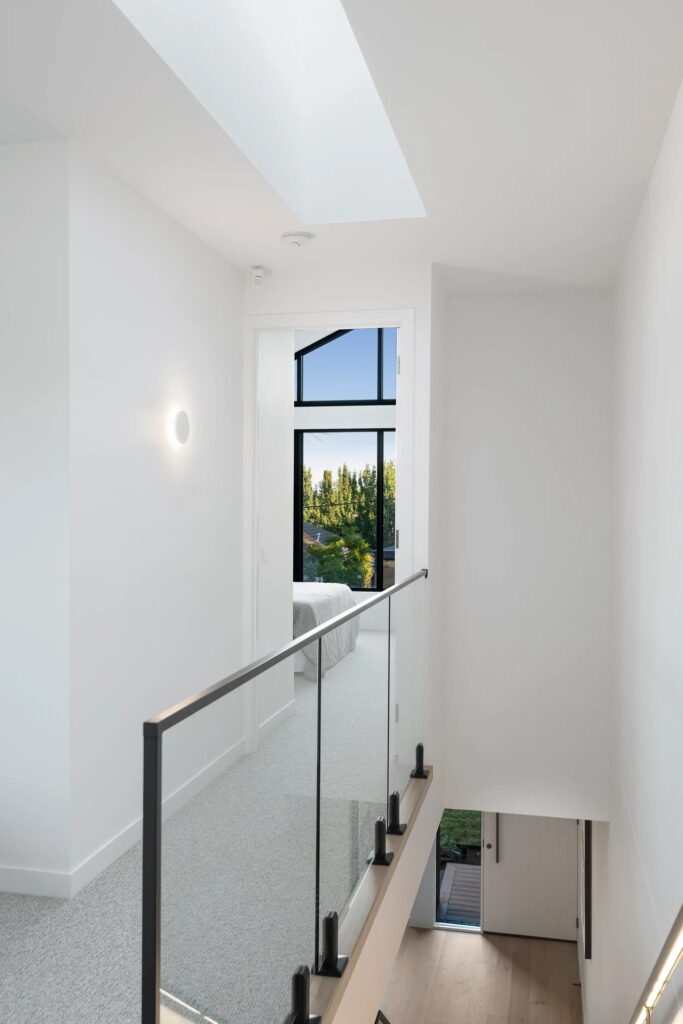
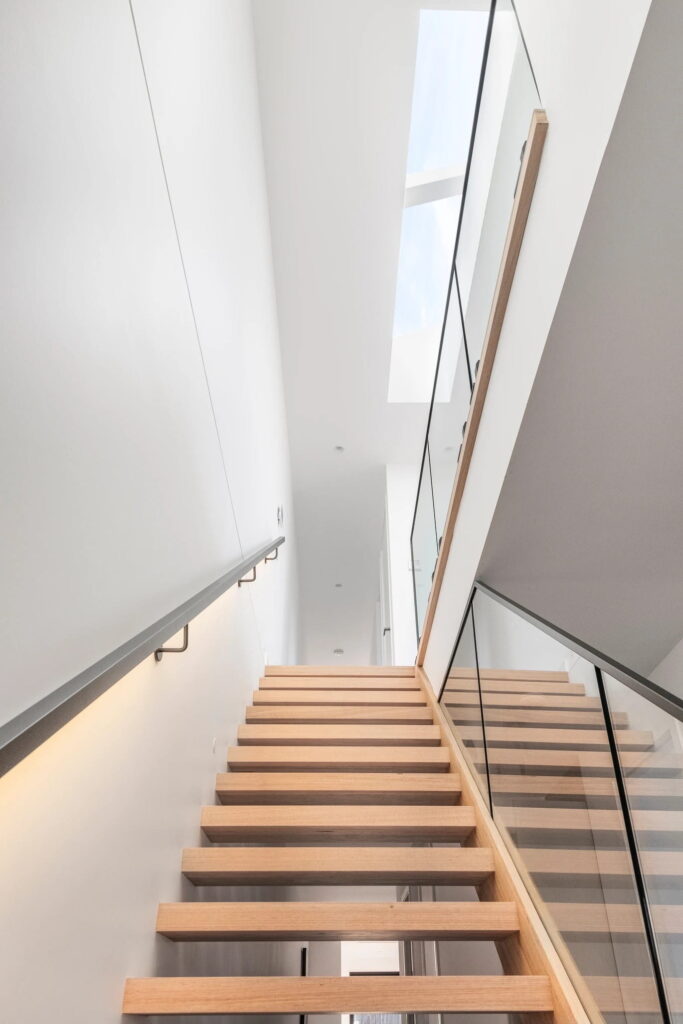
The process of bringing together your high-performance home involves a lot of moving parts, with collaboration being at the epicentre, ensuring designers, drafters, consultants, and builders are on the same page.
Through coordinated documentation, drafting helps reconcile input from structural engineers, energy assessors, and service consultants. Peninsula Design & Drafting emphasise the collaborative aspect, recognising that high-performance homes are the result of collective expertise.
The role of local knowledge
Local climate, planning controls, and construction practices influence performance strategies. Understanding how regional factors affect design decisions allows drafting to be more precise and relevant. What this means in practice is that your homes are better suited overall to their specific context.
Drafting as a long-term investment
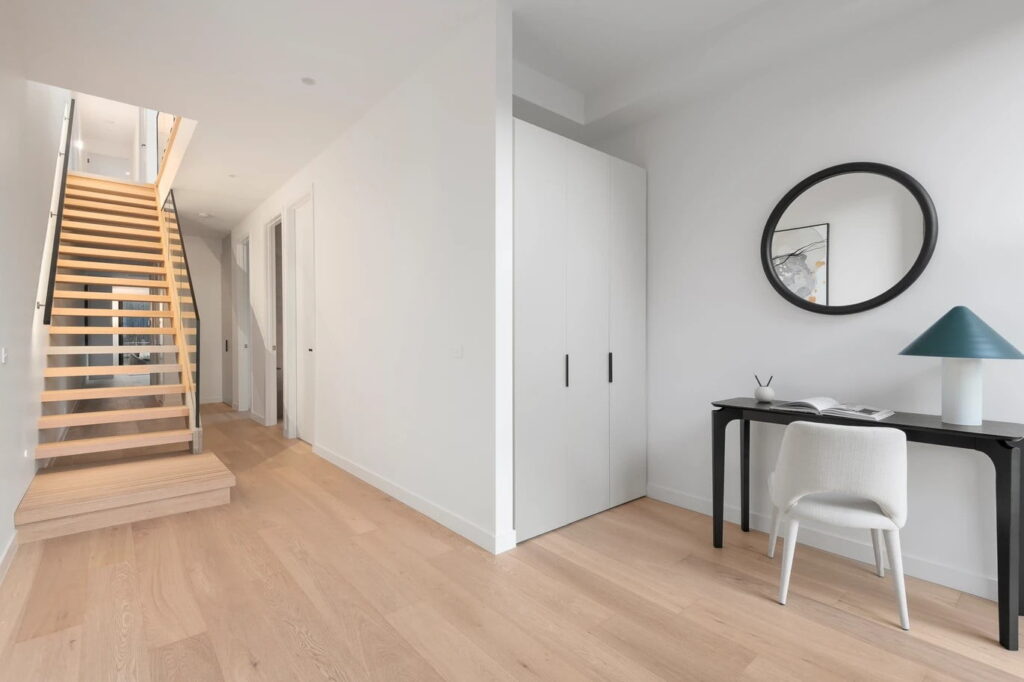
Architectural drafting’s influence extends well beyond the design phase. Once created, and if done so with quality, it will support efficient construction, reducing the likelihood of defects, and providing a reference for future maintenance or modifications. Over the lifespan of a home, these benefits contribute to sustained performance and reduced costs.
By investing in thorough drafting, homeowners and builders lay the groundwork for homes that deliver on their performance objectives over time.
Final thoughts
High-performance homes are shaped by a complex interplay of design intent, technical knowledge, and construction execution. Architectural drafting sits at the centre of this process, translating ideas into detailed, coordinated documentation that supports performance at every stage.
Through clear documentation, collaboration and local insight, the practices that we use at Peninsula Design & Drafting demonstrate how thoughtful drafting contributes to homes that perform better, last longer, and provide greater comfort for their occupants.